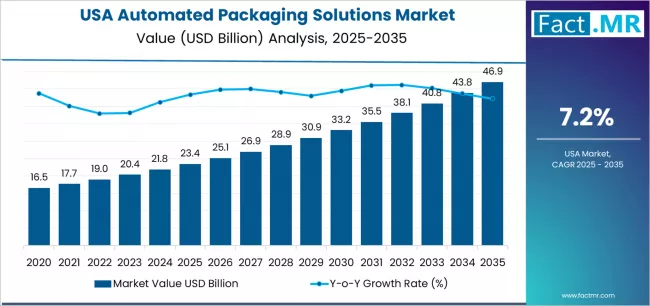
Automated packaging solutions are rapidly reshaping production processes across the United States as industries embrace smarter, faster, and more reliable packaging methods. With increasing pressure to enhance productivity, reduce labor dependency, and maintain high product quality, automation has become a central pillar of modern packaging operations. Businesses across sectors are integrating automated machinery to streamline workflows, improve consistency, and meet growing customer expectations for speed, safety, and accuracy in packaging.
Market Overview:
Automated packaging solutions encompass a wide range of technologies, including filling systems, wrapping machines, case packers, palletizers, labeling systems, and robotic arms. These systems allow companies to automate repetitive tasks that were once labor-intensive, reducing operational costs while maximizing throughput. Advanced sensors, robotics, and AI-driven systems bring precision to tasks such as sealing, labeling, portioning, and palletizing, ensuring packaging delivers both quality and efficiency.
Demand is growing not only among large manufacturing facilities but also small and medium-sized businesses seeking competitive advantages through improved speed and accuracy. Automation also minimizes human error and ensures packaging consistency — a critical factor for industries like food, pharmaceuticals, and consumer goods, where safety and compliance are top priorities.
Regional Insights:
Across the United States, demand for automated packaging machinery is rising in regions with high industrial density. The expansion of e-commerce, growth of food processing hubs, and the strong presence of manufacturing industries contribute to higher adoption rates. States with a robust presence of logistics and warehousing operations are also embracing automation to handle large product volumes efficiently.
Urban regions are witnessing significant investments in high-speed automated lines, while rural areas with strong agricultural and food processing activities are adopting automation to improve productivity and reduce labor shortages. Overall, the shift toward digitalized and connected manufacturing ecosystems is driving nationwide growth in automated packaging deployment.
Key Trends & Forecast:
- Integration of Robotics and AI:
Modern packaging lines are leveraging robotic systems for picking, placing, sorting, and palletizing. Robotics improve speed, precision, and adaptability, making them ideal for high-volume production. AI-based vision systems further enhance packaging accuracy and quality control. - Rise of Flexible Packaging Automation:
With changing consumer preferences and the popularity of pouches, sachets, and lightweight materials, manufacturers are adopting machines designed for variable packaging formats. Flexibility in packaging machinery allows rapid line changeovers to support diverse product needs. - Growth of E-commerce-Driven Packaging:
The surge in online retail is creating demand for automated systems that pack, seal, and label parcels quickly and securely. Automated case erectors, void-fill systems, and smart labeling machines are becoming essential in warehouses and fulfillment centers. - Sustainability-Focused Automation:
Many companies are shifting toward sustainable packaging materials, driving the need for automated systems capable of handling biodegradable, compostable, or lightweight materials without compromising efficiency. Energy-efficient machinery is also gaining popularity. - Advanced Safety and Compliance Features:
Industries such as food and pharmaceuticals require strict safety protocols. Automated systems equipped with contamination control, smart monitoring, and compliance tracking ensure packaging meets industry standards. - Labor Shortage Accelerating Automation:
Ongoing labor challenges in manufacturing and warehousing sectors are pushing companies to invest in automation. Automated packaging reduces dependency on manual labor and allows consistent operation without downtime.
Applications & End-Use Outlook:
A wide array of industries across the U.S. rely on automated packaging systems to enhance their production capabilities:
- Food & Beverage:
Automated filling, sealing, labeling, and palletizing systems are essential for maintaining hygiene and meeting tight production schedules. These solutions help maintain freshness, improve shelf-life, and ensure safe handling. - Pharmaceuticals & Healthcare:
Precision is critical in pharmaceutical packaging. Automated systems help maintain sterility, ensure accurate dosing, and support stringent regulatory compliance. - E-commerce & Logistics:
Growing online shopping trends make automation essential for parcel preparation, labeling, boxing, and inventory management. Automated packaging enables faster order fulfillment and reduces errors. - Consumer Goods:
Automation helps manufacturers produce consistent packaging for everyday household products. High-speed systems maintain uniformity and reduce costs for mass-market goods. - Industrial & Chemical Sectors:
Heavy-duty automated solutions handle large containers, drums, and industrial packaging materials, ensuring safe and efficient operations.
As companies prioritize efficiency and consistency, automated packaging solutions are becoming integral to scaling operations and elevating customer satisfaction.
Conclusion:
The demand for automated packaging solutions in the USA is accelerating as industries transition toward smarter, more efficient manufacturing systems. Automation brings speed, precision, and reliability — qualities that modern businesses cannot afford to overlook. With the growth of e-commerce, advancements in robotics, and increasing need for hygiene and safety, automated packaging is expected to remain a central focus for industries seeking long-term competitiveness.
Organizations that adopt advanced packaging technologies are better equipped to meet consumer expectations, optimize costs, and maintain steady production in a rapidly evolving market. As innovation continues to shape the packaging landscape, automated solutions will play a vital role in shaping the future of manufacturing, logistics, and supply chain efficiency across the United States.
Browse Full Report – https://www.factmr.com/report/united-states-automated-packaging-solutions-market