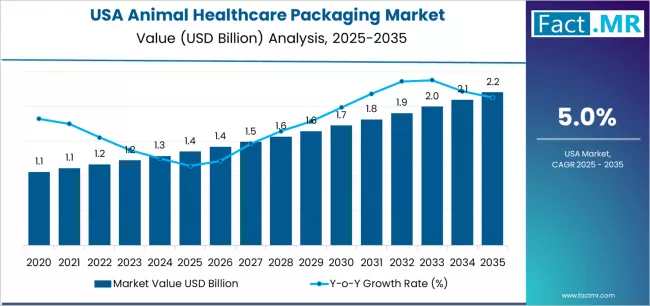
The demand for animal healthcare packaging in the United States is rising steadily as veterinary care, livestock health management, and the pet care industry continue to evolve. With increasing awareness about animal health, expanding pet ownership, and modernization across livestock farms, packaging solutions have become essential for ensuring the safety, sterility, and effectiveness of veterinary medicines and healthcare products. As a result, the animal healthcare packaging market in the U.S. is gaining strong momentum, driven by innovation, regulatory standards, and growing demand for high-quality veterinary products.
Market Overview:
Animal healthcare packaging includes syringes, vials, bottles, pouches, blisters, and other specialized containers designed to store, protect, and deliver medicines, vaccines, supplements, and biologics. These packaging solutions help maintain product stability, extend shelf life, prevent contamination, and ensure precise dosing, which is critical for both preventive and treatment-based veterinary care.
Plastic packaging dominates the market because of its affordability, flexibility, and compatibility with large-scale production and sterilization processes. Alongside plastic, materials such as glass and paper are also used for specific applications requiring higher chemical stability or protective barriers. The diverse product range supports applications across companion animals, livestock, poultry, and swine.
Regional Insights:
Demand for animal healthcare packaging spans across the U.S., with growth influenced by population patterns, veterinary care infrastructure, livestock density, and the distribution networks of veterinary pharmaceutical companies. Urban regions with high pet ownership and advanced veterinary clinics contribute significantly to demand, while rural and farming regions drive growth through livestock and poultry healthcare needs.
Regions with strong pharmaceutical and healthcare manufacturing ecosystems are also witnessing increased adoption of innovative, high-quality packaging solutions to meet both national and export standards.
Key Trends & Forecast:
- Growing Pet Ownership:
With pets increasingly treated as family members, preventive care such as vaccinations, supplements, and regular checkups has grown significantly. This leads to higher consumption of packaged veterinary medicines. - Advancements in Veterinary Pharmaceuticals:
The development of biologics, specialty drugs, and advanced treatment options requires high-performance packaging such as sterile vials, tamper-proof containers, and temperature-resistant materials. - Shift Toward Sterile and Tamper-Evident Packaging:
Safety and quality assurance remain top priorities. Veterinary drug manufacturers are adopting tamper-evident closures, prefilled syringes, and sterilized single-use packaging to minimize contamination risks. - Sustainability and Eco-Friendly Materials:
The industry is slowly moving toward recyclable plastics, biodegradable materials, and energy-efficient packaging processes as environmental concerns gain importance. - Technological Integration in Packaging:
Innovative design features, such as improved barrier protection, enhanced sealing systems, and compatibility with cold-chain logistics, are becoming more prominent.
Applications & End-Use Outlook:
Animal healthcare packaging is used across various segments, each contributing to market growth:
- Companion Animals:
The rise in pet healthcare spending is increasing demand for packaged medicines, nutritional supplements, topical treatments, and vaccines. Bottles, syringes, and blister packs are widely used in this segment. - Livestock and Poultry:
Large-scale livestock farms rely on durable packaging for vaccines, antibiotics, and nutritional additives. Vials, multi-dose containers, and bulk packaging formats are crucial for efficient administration. - Veterinary Clinics and Hospitals:
Clinics require reliable packaging for daily treatments, surgical care, and emergency procedures. Single-use sterile syringes, small-dose vials, and dropper bottles are commonly used. - Pharmaceutical Manufacturers:
Drug manufacturers demand advanced packaging compatible with automated filling lines, ensuring consistency, sterility, and compliance with regulatory standards.
With growing emphasis on quality and safety, companies are adopting high-barrier materials, leak-proof containers, and contamination-resistant packaging formats. This shift is particularly strong for sensitive products like vaccines, which require controlled environments, sterile packaging, and protection against temperature fluctuations.
Conclusion:
The demand for animal healthcare packaging in the USA is strengthening as veterinary care evolves and animal health becomes a national priority. With rising pet ownership, increasing livestock healthcare needs, and the expansion of veterinary pharmaceuticals, the market is set for continuous growth.
Packaging solutions are no longer limited to basic containment — they now play a strategic role in ensuring drug stability, precision, and safety. As technological advancements and regulatory expectations rise, companies investing in innovative, high-quality, and compliant packaging solutions will be well-positioned to lead the market.
From improved sterility to better durability and sustainability features, the future of animal healthcare packaging in the United States is moving toward enhanced protection, efficiency, and reliability. This progress supports not only the veterinary and pharmaceutical sectors but also contributes to better overall animal health outcomes across the nation.
Browse Full Report – https://www.factmr.com/report/united-states-animal-healthcare-packaging-market