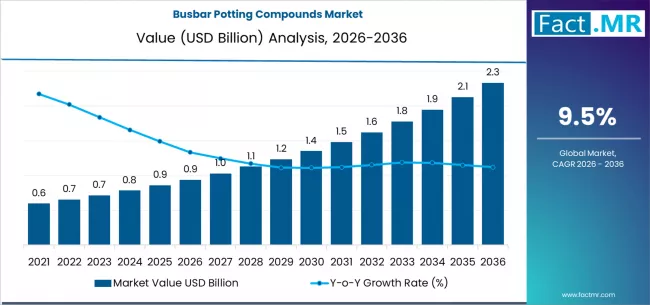
The rapid expansion of electrification across industries has increased the need for reliable and durable electrical insulation solutions. Busbars, which are critical components used for power distribution in electrical systems, require effective protection against environmental, thermal, and mechanical stresses. Busbar potting compounds play a vital role in ensuring insulation integrity, operational safety, and long-term performance of these systems. According to insights from Fact.MR, the growing adoption of advanced electrical infrastructure and power electronics is driving steady demand for specialized busbar potting solutions.
Market Overview
Busbar potting compounds are insulating materials used to encapsulate busbars, protecting them from moisture, dust, corrosion, vibration, and electrical short circuits. These compounds are typically formulated using epoxy, polyurethane, or silicone-based materials, each offering distinct advantages in terms of thermal stability, flexibility, and dielectric strength.
The market is evolving as manufacturers focus on improving material performance to meet the demands of modern electrical systems. Enhanced thermal conductivity, flame resistance, and long-term durability are becoming key performance requirements. Fact.MR highlights that increasing complexity in electrical architectures is encouraging the adoption of advanced potting compounds that ensure both safety and efficiency.
Regulatory and Safety Landscape
Electrical safety standards and regulatory frameworks significantly influence the busbar potting compounds market. Compliance with fire safety, insulation, and performance standards is essential across industries such as energy, transportation, and manufacturing. Regulatory bodies emphasize the use of high-quality insulating materials to reduce the risk of electrical failures and system downtime.
Busbar potting compounds help manufacturers and system integrators meet these safety requirements by providing consistent insulation and mechanical protection. As safety regulations continue to evolve, demand for certified and high-performance potting materials is expected to remain strong. Fact.MR notes that adherence to global electrical and safety standards is a major factor shaping product development and adoption.
Regional Insights
Demand for busbar potting compounds varies by region, largely influenced by industrial growth, infrastructure development, and energy investments. Regions with strong manufacturing bases and expanding power distribution networks show higher adoption of busbar insulation solutions.
Developed regions focus on upgrading existing electrical systems to improve efficiency and reliability, while emerging economies are investing in new infrastructure projects that require modern power distribution components. Increased emphasis on electrification and industrial automation across regions continues to support market expansion.
Key Trends and Market Outlook
One of the key trends shaping the market is the growing use of high-performance potting compounds designed for compact and high-power electrical systems. As equipment becomes smaller and more powerful, the need for materials that offer superior thermal management and electrical insulation is increasing.
Another notable trend is the shift toward materials with improved environmental resistance and longer service life. Manufacturers are developing formulations that can withstand extreme temperatures, humidity, and mechanical stress without degradation. Sustainability is also gaining importance, with a focus on low-emission and environmentally responsible formulations.
Advancements in application technologies and curing processes are improving efficiency and consistency during manufacturing. Fact.MR emphasizes that innovation in material science and processing techniques is essential for meeting the evolving requirements of modern electrical systems.
Applications and End-Use Outlook
Busbar potting compounds are widely used across various applications, including power distribution units, switchgear, transformers, inverters, and control panels. These compounds ensure reliable insulation and protection in environments where electrical components are exposed to harsh operating conditions.
Key end-use industries include energy and power generation, renewable energy systems, electric vehicles, industrial machinery, and commercial infrastructure. The increasing adoption of renewable energy and electrified transportation systems is further expanding the scope of busbar applications. The versatility of potting compounds allows customization to suit specific voltage levels, operating environments, and design requirements.
Challenges and Growth Opportunities
Despite steady demand, the market faces challenges such as material compatibility, curing time optimization, and balancing flexibility with mechanical strength. Improper formulation or application can affect long-term performance, highlighting the need for technical expertise and quality control.
These challenges also present opportunities for innovation. Development of faster-curing compounds, improved thermal conductivity solutions, and application-specific formulations can enhance market potential. Growing awareness of electrical safety and system reliability continues to create opportunities for manufacturers offering high-performance and compliant solutions. Fact.MR indicates that ongoing research and collaboration across the electrical value chain will support future market growth.
Conclusion
The busbar potting compounds market plays a crucial role in ensuring the safety, reliability, and efficiency of modern electrical systems. Driven by expanding electrification, stricter safety standards, and advancements in material technology, the market is steadily evolving to meet industry demands. Insights from Fact.MR suggest that continued innovation, regulatory compliance, and focus on performance optimization will shape the future of this market. For manufacturers, system integrators, and end users, busbar potting compounds remain an essential component in building resilient and efficient electrical infrastructure.
Browse Full Report – https://www.factmr.com/report/busbar-potting-compounds-market