As the automotive industry rapidly evolves toward smarter, safer, and more efficient vehicles, actuators have become essential components enabling precise control and automation. From adjusting throttle positions to managing advanced driver-assistance systems (ADAS), automotive actuator play a critical role in enhancing vehicle performance and passenger comfort. With the growing integration of electronics in vehicles, the demand for reliable and high-performance actuators continues to rise across global markets.
Market Overview:
Automotive actuators are electromechanical devices responsible for converting electrical signals into physical motion. These components are widely used in various vehicle systems, including engine control, transmission, braking, HVAC, and body electronics. As vehicles become more complex, the need for advanced actuators that offer accuracy, efficiency, and durability is increasing significantly.
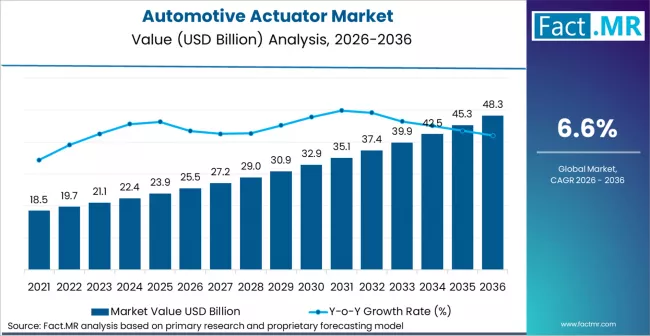
The market is being driven by the rising adoption of electric vehicles (EVs), stringent emission regulations, and the growing demand for fuel-efficient automobiles. Actuators help optimize engine performance, reduce emissions, and improve overall vehicle efficiency. Additionally, the shift toward vehicle electrification and automation is further boosting the need for sophisticated actuator technologies.
Regional Insights:
North America remains a prominent market for automotive actuators due to the strong presence of leading automobile manufacturers and early adoption of advanced vehicle technologies. The region continues to invest heavily in research and development to enhance vehicle automation and safety features.
Europe follows closely, driven by strict environmental regulations and a strong focus on sustainable mobility solutions. The increasing penetration of electric vehicles and hybrid cars in countries like Germany, France, and the UK is contributing to the growing demand for advanced actuators.
The Asia-Pacific region is emerging as a key growth hub, supported by rapid industrialization, expanding automotive production, and rising consumer demand for passenger vehicles. Countries such as China, Japan, South Korea, and India are witnessing significant investments in automotive technologies, making the region highly attractive for market players.
Key Trends & Forecast:
The automotive actuator market is witnessing several notable trends shaping its future trajectory:
- Integration of Smart Technologies:
The incorporation of smart actuators equipped with sensors and control units is enabling real-time monitoring and enhanced performance. These intelligent systems are crucial for modern vehicles that rely on automation and connectivity. - Rise of Electric and Hybrid Vehicles:
The transition toward electric mobility is significantly increasing the demand for actuators used in battery management systems, thermal management, and electronic braking systems. - Focus on Lightweight Components:
Manufacturers are emphasizing lightweight actuator designs to improve fuel efficiency and reduce overall vehicle weight, aligning with global sustainability goals. - Advancements in ADAS and Autonomous Driving:
The growing adoption of ADAS features such as adaptive cruise control, lane-keeping assistance, and automated braking is driving the need for precise and responsive actuators. - Increased Use of Electronic Throttle Control Systems:
Electronic throttle control systems are replacing traditional mechanical linkages, enhancing vehicle responsiveness and efficiency.
Applications & End-Use Outlook:
Automotive actuators are extensively used across multiple vehicle systems, making them indispensable in both passenger and commercial vehicles.
- Engine Management:
Actuators regulate fuel injection, throttle position, and airflow, ensuring optimal engine performance and reduced emissions. - Transmission Systems:
They facilitate smooth gear shifting and improve transmission efficiency, contributing to better driving experience. - Brake Systems:
Actuators play a crucial role in electronic braking systems, enhancing safety and vehicle control. - HVAC Systems:
In heating, ventilation, and air conditioning systems, actuators help maintain cabin comfort by controlling airflow and temperature. - Body Electronics:
Applications such as power windows, seat adjustments, sunroofs, and door locks rely heavily on actuators for seamless operation.
End users include original equipment manufacturers (OEMs) and aftermarket service providers. OEMs are increasingly integrating advanced actuator technologies into new vehicle models, while the aftermarket segment is benefiting from replacement and maintenance demand.
Competitive Landscape:
The market is characterized by the presence of several global and regional players focusing on innovation and product development. Companies are investing in research and development to introduce energy-efficient, compact, and high-performance actuators. Strategic collaborations, mergers, and acquisitions are also common as companies aim to strengthen their market position and expand their product portfolios.
Conclusion:
The automotive actuator market is set to play a pivotal role in the future of mobility, driven by advancements in vehicle automation, electrification, and safety technologies. As automakers continue to innovate and integrate smart systems into vehicles, the demand for efficient and reliable actuators will remain strong. Businesses looking to stay competitive in this evolving landscape must focus on adopting advanced actuator solutions and keeping pace with emerging technological trends.
Browse Full Report – https://www.factmr.com/report/297/automotive-actuators-market