As cities worldwide intensify efforts to decarbonize their energy systems, district heating is emerging as a critical solution for delivering efficient, low-emission thermal energy. By centralizing heat production and distributing it through insulated pipelines to residential, commercial, and industrial buildings, district heating systems help reduce fuel consumption, optimize energy use, and integrate renewable sources. The growing global focus on sustainability, energy security, and smart city infrastructure is accelerating momentum in the district heating market.
Market Overview
District heating refers to a network-based system that generates heat in a centralized facility and distributes it in the form of hot water or steam through underground pipes. These systems typically rely on combined heat and power (CHP) plants, waste-to-energy plants, biomass facilities, geothermal sources, and increasingly, solar thermal installations.
The market is gaining traction due to rising urbanization, supportive government policies for low-carbon energy, and the need to modernize aging heating infrastructure. District heating offers multiple advantages, including higher energy efficiency, reduced greenhouse gas emissions, improved air quality, and lower long-term operating costs compared to individual heating solutions.
Technological advancements are also playing a vital role in shaping the industry. The shift toward fourth-generation district heating (4GDH) systems enables lower temperature distribution, improved insulation, and seamless integration with renewable energy and waste heat recovery systems. Digitalization, smart meters, and advanced control systems further enhance operational efficiency and demand-side management.
Key Market Drivers
- Transition Toward Renewable Energy
Countries aiming to meet climate targets are increasingly investing in renewable heat sources such as biomass, geothermal, and solar thermal energy. District heating systems provide a practical platform to integrate these clean energy sources at scale, making them essential to national decarbonization strategies. - Urbanization and Infrastructure Development
Rapid urban expansion, particularly in emerging economies, is driving demand for centralized heating solutions. High-density residential complexes, commercial zones, and industrial parks benefit significantly from district heating due to its scalability and reliability. - Government Regulations and Incentives
Regulatory frameworks encouraging energy efficiency and emissions reduction are accelerating adoption. Carbon pricing mechanisms, green building standards, and subsidies for sustainable infrastructure are influencing investment in district heating networks. - Energy Efficiency and Cost Optimization
District heating systems enable efficient fuel use by capturing and utilizing waste heat from power generation and industrial processes. This reduces overall energy losses and lowers operational costs over the long term.
Regional Insights
Europe remains the global leader in district heating adoption, supported by strong climate policies and well-established infrastructure. Countries such as Denmark, Sweden, Germany, and Finland have extensive district heating networks integrated with renewable energy sources. The European Union’s commitment to carbon neutrality continues to drive modernization and expansion projects.
North America is witnessing growing adoption, particularly in urban centers and university campuses. The United States and Canada are focusing on upgrading existing systems and integrating cleaner energy sources to improve sustainability performance.
Asia-Pacific is emerging as a high-growth region due to rapid urbanization and government initiatives supporting energy efficiency. China, in particular, has made significant investments in district heating infrastructure to meet rising urban energy demand while reducing air pollution. Japan and South Korea are also investing in advanced district energy systems.
Eastern Europe and the Middle East are gradually modernizing legacy heating systems and exploring opportunities to integrate renewable and waste heat technologies.
Key Trends & Innovations
Integration of Waste Heat Recovery
Industries and data centers generate substantial waste heat that can be captured and redistributed through district heating networks. This approach enhances energy efficiency and supports circular economy principles.
Smart and Digital District Heating Networks
The adoption of IoT-based monitoring systems, predictive maintenance, and real-time analytics is transforming operations. Smart grids allow utilities to balance supply and demand efficiently, improving reliability and reducing energy waste.
Low-Temperature District Heating Systems
Next-generation systems operate at lower temperatures, minimizing heat losses and enabling integration with heat pumps and renewable sources.
Hybrid Energy Systems
District heating networks are increasingly combining multiple heat sources, including CHP, solar thermal, biomass, and geothermal energy, to ensure stable and sustainable supply.
Applications & End-Use Outlook
Residential Sector
High-density apartment complexes and urban housing projects are major adopters of district heating systems. These networks provide consistent and reliable heating while reducing individual boiler installations.
Commercial Buildings
Office complexes, shopping centers, hospitals, and educational institutions benefit from centralized heating due to improved efficiency and reduced maintenance requirements.
Industrial Facilities
Industries requiring process heat can integrate district heating systems to optimize energy use and reduce carbon footprints.
Public Infrastructure
Airports, government buildings, and smart city developments are increasingly adopting district heating as part of sustainable infrastructure planning.
Competitive Landscape
The district heating market includes energy utilities, infrastructure developers, technology providers, and engineering firms. Companies are focusing on strategic partnerships, mergers, and modernization projects to expand their footprint. Investments in research and development aim to improve system efficiency, reduce heat losses, and enhance renewable integration.
Public-private partnerships are playing a critical role in funding and implementing large-scale projects, especially in developing regions. Utilities are also exploring innovative financing models to encourage wider adoption.
Challenges
Despite strong growth prospects, the market faces certain challenges. High initial capital investment for pipeline installation and infrastructure development can limit adoption, particularly in low-density areas. Retrofitting existing buildings to connect with district heating networks may also pose logistical and financial hurdles.
Additionally, regulatory complexities and varying energy policies across regions can affect project timelines and investment decisions. Ensuring long-term financial viability requires stable policy support and effective cost recovery mechanisms.
Future Outlook
The district heating market is poised for sustained growth as global energy systems transition toward low-carbon solutions. Continued technological innovation, supportive regulatory frameworks, and increased public awareness of sustainability benefits will drive adoption.
As cities aim to become carbon-neutral and energy-efficient, district heating systems will play a central role in reshaping urban energy landscapes. Integration with renewable energy sources, smart grids, and waste heat recovery will further enhance system performance and environmental impact.
Conclusion
District heating represents a transformative approach to sustainable urban energy management. By centralizing heat production, integrating renewable sources, and leveraging advanced digital technologies, these systems offer an efficient and environmentally responsible alternative to conventional heating methods.
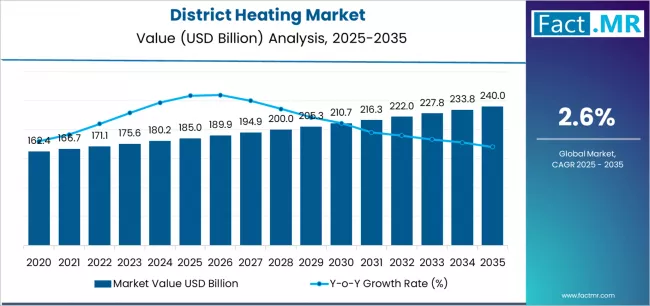
With rising urbanization, growing environmental concerns, and strong policy backing, the district heating market is set to expand steadily over the coming decade. Organizations and municipalities investing in modern district heating infrastructure today will be better positioned to meet future energy demands while contributing to global climate goals.
Browse Full Report – https://www.factmr.com/report/district-heating-market