Wearable health devices have moved far beyond the simple step counters of a decade ago. Today, they are sophisticated, always-on monitors capable of tracking heart rate, blood glucose, hydration, and even hormone levels. But behind every seamless device on your wrist or skin is a critical unsung hero: silicone elastomers. Flexible, skin-friendly, and durable, these materials are the foundation that allows electronics to comfortably integrate with the human body.
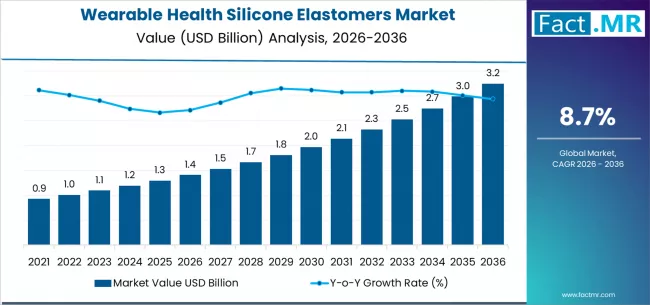
Looking ahead to 2036, the global wearable health silicone elastomers market is on track to grow from $1.5 billion in 2026 to $3.5 billion, with an annual growth rate of around 8.7%. This isn’t just about more wearables; it’s about smarter devices, advanced materials, and deeper integration with healthcare.
Technology Shifts: From Comfort to Continuous Care
The early wearables were designed for comfort—soft straps, flexible bands, and durable housings. Today, the focus has shifted to continuous diagnostics. Devices are expected to monitor multiple health parameters around the clock, requiring silicone elastomers that are both resilient and highly functional.
Medical-grade silicones are leading the way. They offer biocompatibility, long-term skin safety, and stability under diverse environmental conditions. As regulatory standards tighten and users demand longer-lasting, reliable wearables, premium elastomers are becoming essential, especially in devices intended for chronic monitoring or medical-grade applications.
Manufacturing is evolving too. Techniques like liquid silicone rubber (LSR) molding allow ultra-thin, complex designs that perfectly encase electronics without compromising flexibility. Over-molding methods integrate silicone directly onto sensors and circuits, improving both comfort and device longevity.
Who’s Using These Materials?
Fitness & activity trackers still represent the largest share of silicone elastomer demand, accounting for over 30% of the market. But the real growth is in clinical-grade wearables—think continuous glucose monitors, cardiac patches, and advanced biosensing platforms. As healthcare systems lean more on remote patient monitoring, demand for these high-performance elastomers is skyrocketing.
Even emerging sectors like women’s health are contributing. Devices that track hormone levels, fertility windows, or menstrual health require elastomers that are gentle, precise, and chemically resistant. These applications are diversifying the market and raising the bar for material innovation.
Regional Insights
-
North America leads, thanks to high wearable adoption, robust healthcare infrastructure, and strong regulatory frameworks.
-
Europe follows closely, driven by stringent safety standards that favor premium materials.
-
Asia-Pacific is the fastest-growing region, fueled by electronics manufacturing hubs and rising health-conscious middle-class populations. By 2036, Asia-Pacific is expected to rival North America in terms of sheer volume, though unit value remains higher in Western markets due to stricter compliance requirements.
Supply Dynamics and Competitive Landscape
The market is dominated by specialized silicone manufacturers. High-purity feedstocks, clean production facilities, and medical certifications create a high barrier to entry. Suppliers investing in specialty formulations—such as conductive, antimicrobial, or sensor-integrated silicones—stand to gain a premium position.
Companies that partner closely with device makers, offering co-development and rapid prototyping, are especially well-positioned. These relationships reduce commoditization risk and help bring innovative wearables to market faster.
Investment Outlook
For investors, the wearable health silicone elastomers market offers a mix of stability and upside. Key themes include:
-
Innovation Premium – Advanced formulations that integrate sensors or resist microbial growth command higher margins.
-
OEM Partnerships – Collaborations with device makers ensure consistent demand and long-term contracts.
-
Regulatory Advantage – Certified, medically-approved elastomers create a moat against competitors and secure lasting revenue streams.
By 2036, the market’s value is expected to more than double from mid-2020s levels, driven not just by consumer demand but by healthcare digitization and aging populations who increasingly rely on wearables for monitoring chronic conditions.
Browse Full Report : https://www.factmr.com/report/wearable-health-silicone-elastomers-market
Numbers and trends are important, but at the heart of this market is the human experience. Silicone elastomers make devices that are safe to wear 24/7, comfortable enough that people forget they’re there, and durable enough to support life-saving monitoring. They are the invisible bridge between technology and the human body, enabling a new era of preventive and personalized healthcare.
For material suppliers, device manufacturers, and investors, the next decade offers an unprecedented opportunity: to shape the devices that people will trust with their health every day. The wearable health silicone elastomers market is no longer just a materials market—it’s a cornerstone of the digital healthcare revolution.