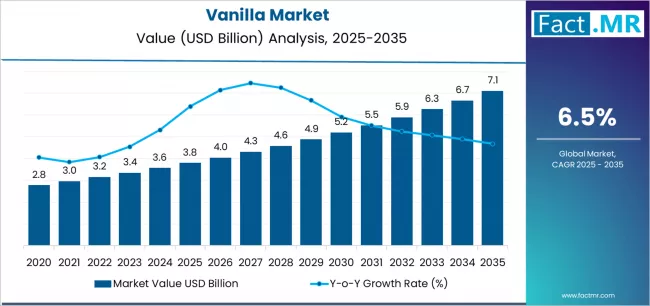
The global vanilla market is witnessing steady growth as consumer preference for natural flavors and clean-label ingredients rises. Vanilla, renowned for its unique aroma and taste, is a critical ingredient in food, beverages, personal care products, and cosmetics. Increasing demand for authentic flavor profiles, premium food formulations, and sustainable sourcing practices is driving the expansion of the vanilla market. As manufacturers focus on enhancing product quality, consumer appeal, and ethical production standards, vanilla has evolved from a commodity ingredient to a strategic component in modern food and beverage operations.
Market Overview
Vanilla products are available in multiple forms, including liquid extracts, powders, and specialty concentrates. Each format serves distinct culinary, industrial, and cosmetic applications, enabling manufacturers to optimize flavor intensity, processing efficiency, and product consistency. The market growth is supported by the rising adoption of natural flavor solutions over synthetic alternatives, as consumers increasingly prioritize health, sustainability, and transparency.
Technological advancements in extraction methods, such as supercritical fluid extraction, molecular distillation, and cold-pressing techniques, have improved flavor retention and purity. These innovations allow for consistent sensory outcomes, cost-efficient processing, and better integration into complex food systems. Additionally, the integration of quality assurance and traceability systems ensures that manufacturers meet stringent regulatory standards and consumer expectations for natural ingredients.
Regional Insights
The vanilla market exhibits significant regional dynamics. North America and Europe remain key markets due to high consumer awareness, mature food and beverage industries, and strong demand for premium ingredients. Asia-Pacific is emerging as a growth hub, driven by expanding food processing infrastructure, rising disposable incomes, and increasing adoption of natural flavors in culinary and personal care applications. Emerging markets in Latin America, the Middle East, and Africa are also gaining traction, supported by infrastructure development, growing consumer awareness, and the expansion of specialty ingredient supply chains.
Key Trends and Forecast
- Rising Demand for Natural Ingredients: Consumers increasingly favor clean-label products, driving demand for authentic vanilla flavors in food, beverages, and cosmetics.
- Technological Innovation in Extraction: Advanced processing techniques enhance flavor quality, consistency, and application versatility.
- Premium Food Formulation: Food manufacturers are using vanilla to differentiate products through enhanced sensory experiences, aroma profiles, and ingredient authenticity.
- Sustainability and Ethical Sourcing: Supply chain transparency, regenerative agriculture practices, and smallholder support programs are gaining prominence.
- Diverse Applications: Vanilla is widely used in confectionery, bakery products, dairy, beverages, personal care, and cosmetics, expanding its market reach and value.
Applications and End-Use Outlook
Vanilla serves a wide range of applications across various industries:
- Food and Beverages: Used for flavoring bakery items, chocolates, desserts, beverages, and dairy products, vanilla enhances both taste and aroma.
- Personal Care and Cosmetics: Vanilla is valued for its fragrance, sensory appeal, and ability to enhance product experience in lotions, creams, and perfumes.
- Premium Culinary Products: High-end food manufacturers rely on specialty vanilla varieties for distinctive flavor profiles in gourmet products.
- Beverage Industry: Vanilla is incorporated into specialty drinks, flavored milk, coffee, and ready-to-drink beverages, meeting consumer demand for natural flavors.
- Emerging Health-Focused Applications: Vanilla is increasingly used in functional foods, nutritional supplements, and wellness-oriented formulations due to its natural appeal.
The versatility of vanilla enables manufacturers to integrate it into a wide array of product lines, enhancing consumer satisfaction, premium perception, and brand differentiation.
Market Drivers
- Growing Preference for Natural Flavors: Rising consumer awareness about synthetic additives fuels demand for natural vanilla in processed foods and beverages.
- Premiumization in Food and Beverage: Vanilla enables manufacturers to create differentiated, high-quality products with superior taste and aroma.
- Technological Advancements: Improved extraction, concentration, and processing methods enhance product quality, consistency, and scalability.
- Sustainability and Ethical Sourcing: Initiatives supporting traceability, responsible sourcing, and smallholder farmers strengthen market credibility.
- Expansion of Food Processing Infrastructure: Growth in global food manufacturing supports increased vanilla usage across diverse applications.
Challenges
- Price Volatility: Vanilla cultivation is labor-intensive, and supply is sensitive to climatic conditions, leading to fluctuating prices.
- Complex Supply Chains: Ensuring quality, traceability, and sustainability in global supply networks can be challenging.
- Competition from Synthetic Flavors: Although consumer preference favors natural vanilla, cost-sensitive markets may still rely on artificial alternatives.
- Regulatory Compliance: Manufacturers must navigate complex regulations regarding food safety, labeling, and quality standards.
Future Outlook
The vanilla market is expected to continue expanding as demand for natural, premium, and ethically sourced ingredients grows. Technological innovations, such as advanced extraction techniques and quality standardization, will enable better flavor retention, cost-effective production, and improved compatibility with diverse food and cosmetic applications. Emerging markets are likely to see accelerated growth, supported by infrastructure expansion, increasing disposable incomes, and evolving consumer preferences.
Sustainability initiatives, traceable sourcing, and ethical production practices will remain critical, particularly for premium food and beverage manufacturers. The focus on clean-label and natural formulations, combined with innovative product applications, positions vanilla as a strategic ingredient in both traditional and emerging markets.
Conclusion
The vanilla market is evolving from a traditional flavoring agent into a high-value ingredient critical for premium product development, clean-label food manufacturing, and sensory differentiation. Driven by consumer demand for natural flavors, technological advancements, and sustainable sourcing practices, vanilla is poised to play a central role in global food, beverage, and personal care industries. Manufacturers who leverage innovation, quality assurance, and ethical sourcing will be well-positioned to capitalize on this growing market, delivering authentic flavor experiences that meet evolving consumer expectations.
Browse Full Report – https://www.factmr.com/report/vanilla-market