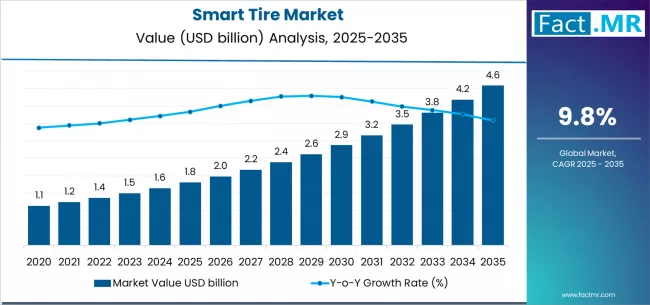
The automotive industry is undergoing a rapid transformation driven by digitalization, automation, and connectivity. Within this evolving landscape, the Smart Tire Market is emerging as a crucial segment supporting safer, more efficient, and data-driven mobility. Smart tires integrate advanced sensors and communication technologies to monitor various parameters such as pressure, temperature, tread wear, and road conditions in real time. These capabilities are reshaping vehicle performance management and enabling predictive maintenance across passenger and commercial vehicles.
As vehicles become increasingly connected and autonomous, smart tires are gaining prominence as essential components in next-generation transportation ecosystems.
Market Overview
Smart tires are equipped with embedded electronic sensors that continuously collect and transmit data to the vehicle’s onboard systems or cloud-based platforms. Unlike conventional tires, these intelligent systems provide actionable insights that improve safety, fuel efficiency, and overall driving experience. They are typically integrated with tire pressure monitoring systems, telematics platforms, and advanced driver-assistance systems.
The Smart Tire Market is expanding due to the growing demand for connected vehicles and rising awareness about road safety. Automotive manufacturers are incorporating intelligent tire solutions to enhance vehicle diagnostics and optimize performance. The increasing integration of Internet of Things technologies in automotive systems further strengthens market growth.
Fleet operators are also recognizing the benefits of smart tires in reducing operational downtime and improving asset management. Real-time monitoring helps detect irregularities early, preventing costly breakdowns and extending tire lifespan.
Key Drivers
- Growing Emphasis on Vehicle Safety
Road safety regulations and consumer awareness are encouraging the adoption of technologies that reduce accident risks. Smart tires provide real-time alerts about underinflation, overheating, or excessive wear, helping drivers maintain optimal tire conditions. - Expansion of Connected and Autonomous Vehicles
As connected mobility gains traction, vehicles rely heavily on accurate and continuous data. Smart tires contribute critical information about road grip, traction, and surface conditions, supporting advanced driver-assistance and autonomous driving functions. - Fleet Management Optimization
Commercial fleets are increasingly deploying smart tire solutions to monitor vehicle health remotely. Predictive analytics enable fleet managers to schedule maintenance efficiently, minimize fuel consumption, and reduce operational costs. - Sustainability and Fuel Efficiency Goals
Proper tire maintenance directly impacts fuel efficiency and carbon emissions. Smart tires assist in maintaining optimal pressure and performance, aligning with global sustainability initiatives and environmental standards.
Regional Insights
North America remains a prominent market for smart tires, driven by strong automotive innovation and widespread adoption of telematics systems. The region’s advanced infrastructure and safety regulations support integration of intelligent mobility solutions.
Europe is witnessing steady growth fueled by stringent vehicle safety norms and environmental policies. The region’s focus on reducing emissions and enhancing road safety is encouraging automotive manufacturers to adopt advanced tire technologies.
Asia-Pacific is emerging as a dynamic growth region due to expanding automotive production and rising consumer demand for advanced vehicle features. Increasing urbanization and growing fleet operations in developing economies are also contributing to market expansion.
Latin America and the Middle East & Africa are gradually adopting smart tire technologies, particularly within commercial transportation and logistics sectors where operational efficiency is critical.
Technology Trends
Embedded Sensor Advancements:
Continuous innovation in sensor miniaturization and durability is enhancing the reliability of smart tires. Modern sensors can withstand extreme road conditions while maintaining accurate data transmission.
Integration with Telematics Platforms:
Smart tires are increasingly connected to vehicle telematics systems, enabling seamless data sharing between drivers, fleet managers, and service providers.
Artificial Intelligence and Predictive Analytics:
AI-driven algorithms analyze tire performance data to forecast maintenance needs and detect anomalies before failures occur.
Wireless Communication Systems:
Advancements in wireless connectivity enable real-time data transfer to cloud-based platforms, improving remote monitoring and analytics capabilities.
Applications & End-Use Outlook
The Smart Tire Market serves diverse end-use segments across the automotive ecosystem:
- Passenger Vehicles: Enhancing driver safety, comfort, and performance through real-time monitoring and alerts.
- Commercial Vehicles: Supporting fleet efficiency by reducing downtime and maintenance costs.
- Electric Vehicles: Smart tires contribute to maximizing battery range by ensuring optimal rolling resistance and tire condition.
- Autonomous Vehicles: Providing critical data for traction control, braking systems, and adaptive driving technologies.
Automotive manufacturers are collaborating with technology providers to integrate smart tire systems as part of broader connected vehicle platforms. The commercial transportation sector, including logistics and public transit, is also leveraging smart tire solutions to improve operational reliability.
Competitive Landscape
The Smart Tire Market is characterized by innovation-driven competition. Key players are investing in research and development to enhance sensor performance, connectivity features, and durability. Strategic partnerships between tire manufacturers, automotive OEMs, and technology companies are shaping market dynamics.
Companies are focusing on expanding product portfolios and strengthening digital capabilities to remain competitive. Continuous advancements in materials science and data analytics are enabling differentiated offerings tailored to evolving customer demands.
Challenges
Despite promising growth prospects, the market faces certain challenges:
- Higher production costs compared to conventional tires
- Integration complexities with existing vehicle systems
- Data security and privacy concerns
- Limited awareness in price-sensitive markets
Addressing these challenges will require continued technological innovation, cost optimization, and regulatory alignment.
Future Outlook
The future of the Smart Tire Market is closely aligned with the broader evolution of intelligent transportation systems. As vehicles become more autonomous and digitally connected, the demand for real-time performance data will continue to grow. Smart tires will play a vital role in enhancing road safety, optimizing vehicle efficiency, and supporting predictive maintenance strategies.
Advancements in wireless communication, artificial intelligence, and sustainable materials are expected to further accelerate adoption. With increasing emphasis on connected mobility and environmental responsibility, smart tires are poised to become a standard feature in next-generation vehicles.
Conclusion
Smart tires represent a significant leap forward in automotive innovation. By combining sensor technology, data analytics, and connectivity, they enhance safety, efficiency, and performance across vehicle segments. As the automotive industry embraces digital transformation, the Smart Tire Market is set to become an integral part of intelligent mobility solutions worldwide.
Businesses and stakeholders looking to stay ahead in this evolving landscape can benefit from in-depth market research and strategic insights to capitalize on emerging opportunities in smart tire technologies.
Browse Full Report – https://www.factmr.com/report/smart-tire-market