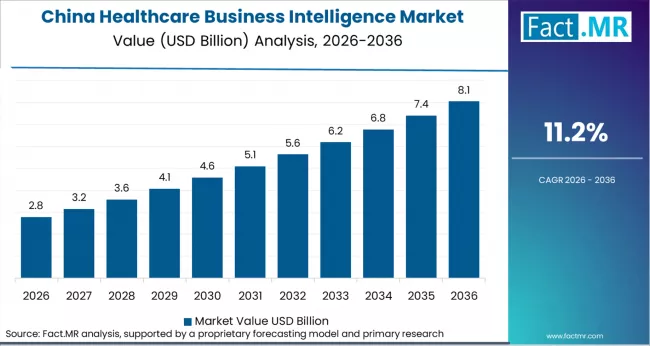
The healthcare business intelligence market is rapidly evolving as the industry embraces data-driven decision-making to improve patient outcomes, operational efficiency, and financial performance. With the increasing digitization of healthcare systems, vast amounts of data are being generated from electronic health records, medical devices, and administrative processes. Business intelligence solutions play a crucial role in analyzing this data and converting it into actionable insights. As healthcare organizations strive to deliver high-quality care while managing costs, the adoption of advanced analytics and intelligence tools is becoming essential.
Market Overview:
Healthcare business intelligence refers to the use of software and tools that collect, analyze, and present healthcare data to support informed decision-making. These solutions enable healthcare providers, payers, and administrators to monitor performance, identify trends, and optimize resource utilization. The growing complexity of healthcare systems, coupled with the need for efficient data management, is driving the demand for business intelligence solutions.
The market is influenced by the increasing adoption of electronic health records and digital health technologies. As data volumes continue to expand, healthcare organizations are seeking robust platforms that can integrate data from multiple sources and provide real-time insights. Additionally, regulatory requirements and the need for compliance are encouraging the use of business intelligence tools to ensure transparency and accountability.
Cloud-based solutions are gaining popularity due to their scalability, cost-effectiveness, and ease of implementation. These platforms allow organizations to access data remotely and facilitate collaboration among stakeholders. Moreover, advancements in analytics technologies, including artificial intelligence and machine learning, are enhancing the capabilities of business intelligence solutions, enabling predictive and prescriptive analytics.
Regional Insights:
North America holds a leading position in the healthcare business intelligence market, driven by advanced healthcare infrastructure, high adoption of digital technologies, and strong focus on data-driven decision-making. The presence of major technology providers and supportive government initiatives further contribute to market growth in this region.
Europe is also a significant market, with increasing emphasis on improving healthcare quality and efficiency. Regulatory frameworks promoting data protection and interoperability are encouraging the adoption of business intelligence solutions across healthcare systems.
The Asia-Pacific region is emerging as a high-growth market, supported by expanding healthcare infrastructure, rising healthcare expenditure, and growing awareness about the benefits of data analytics. Countries in this region are investing in digital transformation initiatives, which is expected to drive the adoption of business intelligence tools.
Latin America and the Middle East & Africa are gradually adopting healthcare business intelligence solutions, driven by efforts to modernize healthcare systems and improve patient care. As these regions continue to develop their healthcare infrastructure, the demand for advanced analytics tools is expected to increase.
Key Trends & Forecast:
One of the prominent trends in the healthcare business intelligence market is the integration of advanced analytics technologies. Artificial intelligence and machine learning are being incorporated into business intelligence platforms to enable predictive analytics, risk assessment, and personalized treatment planning.
Another key trend is the growing focus on patient-centric care. Healthcare providers are using business intelligence tools to gain insights into patient behavior, preferences, and outcomes, which helps in delivering more personalized and effective care.
Data interoperability is also gaining importance, as healthcare organizations aim to integrate data from various sources such as hospitals, clinics, laboratories, and wearable devices. Improved interoperability enhances data accuracy and enables comprehensive analysis.
The shift toward value-based care models is further driving the adoption of business intelligence solutions. These models emphasize quality of care and patient outcomes rather than the volume of services, making data analytics essential for performance measurement and improvement.
Cybersecurity and data privacy are critical considerations in the market. As healthcare data is highly sensitive, organizations are investing in secure business intelligence solutions that comply with regulatory standards and protect patient information.
Applications & End-Use Outlook:
Healthcare business intelligence solutions are widely used in clinical, financial, and operational applications. In clinical settings, these tools help in analyzing patient data, improving diagnosis accuracy, and optimizing treatment plans. They also support population health management by identifying trends and risk factors within patient groups.
In financial applications, business intelligence tools assist in revenue cycle management, cost analysis, and budgeting. They enable healthcare organizations to identify inefficiencies and implement cost-saving measures.
Operationally, these solutions help in resource management, staff scheduling, and performance monitoring. By providing real-time insights, business intelligence tools enable healthcare providers to streamline operations and enhance productivity.
End users of healthcare business intelligence solutions include hospitals, clinics, insurance companies, and government healthcare agencies. Pharmaceutical and biotechnology companies also use these tools for research and development, as well as market analysis.
As the healthcare industry continues to evolve, the demand for comprehensive and integrated business intelligence solutions is expected to grow. Organizations are increasingly recognizing the value of data-driven insights in improving efficiency and patient care.
Conclusion:
The healthcare business intelligence market is playing a vital role in transforming the way healthcare organizations operate and deliver services. By enabling data-driven decision-making, these solutions help improve patient outcomes, optimize resources, and enhance overall efficiency. With ongoing advancements in technology and increasing adoption of digital health solutions, the market is set to expand significantly. Organizations that invest in advanced business intelligence tools and prioritize data integration and security will be well-positioned to thrive in the evolving healthcare landscape.
Browse Full Report – https://www.factmr.com/report/healthcare-business-intelligence-market