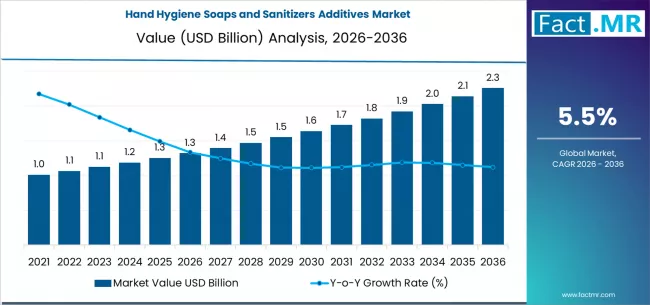
The hand hygiene soaps and sanitizers additives market has emerged as a vital segment within the global personal care and healthcare industries. Growing awareness of infection prevention, public health safety, and personal hygiene has significantly increased the demand for effective handwashing and sanitizing products. Additives play a crucial role in enhancing the performance, stability, and user experience of these formulations.
Hand hygiene additives improve antimicrobial efficacy, skin compatibility, fragrance, texture, and shelf life of soaps and sanitizers. As consumers and institutions demand products that are both effective and gentle on the skin, manufacturers are increasingly focusing on advanced and multifunctional additive solutions.
Market Overview
Hand hygiene soaps and sanitizers additives include a wide range of functional ingredients such as antimicrobial agents, emollients, humectants, thickeners, preservatives, fragrances, and stabilizers. These additives are incorporated into liquid soaps, foam cleansers, bar soaps, and alcohol-based or non-alcohol-based sanitizers to enhance their effectiveness and consumer appeal.
The market is influenced by evolving hygiene standards across healthcare facilities, food processing units, hospitality, and residential settings. In addition to performance, regulatory compliance and consumer preference for safe and skin-friendly ingredients are shaping product development strategies.
Key Market Drivers
Rising Awareness of Infection Prevention
Increased focus on infection control in healthcare, workplaces, and public spaces has significantly boosted demand for hand hygiene products. Additives that enhance antimicrobial performance and ensure long-lasting protection are increasingly prioritized.
Growing Demand for Skin-Friendly Formulations
Frequent handwashing and sanitizing can cause skin dryness and irritation. This has driven the adoption of additives such as moisturizers, conditioning agents, and soothing compounds that help maintain skin health while ensuring hygiene.
Expansion of Healthcare and Institutional Use
Hospitals, clinics, laboratories, and long-term care facilities rely heavily on high-performance hand hygiene products. Additives that ensure stability, efficacy, and regulatory compliance are critical for institutional-grade formulations.
Regulatory Emphasis on Product Safety
Strict regulations governing cosmetic and hygiene products have increased the importance of safe, non-toxic, and compliant additives. Manufacturers are reformulating products to meet evolving safety and labeling requirements.
Additive Type Insights
Antimicrobial Agents
Antimicrobial additives are the core functional components in hand hygiene products. These agents help eliminate bacteria, viruses, and other pathogens, ensuring effective hand sanitation across various applications.
Emollients and Moisturizers
Additives such as glycerin, aloe-based compounds, and skin-conditioning agents help counteract dryness caused by frequent use. These ingredients improve user comfort and promote regular hand hygiene practices.
Thickeners and Stabilizers
Thickeners and stabilizers contribute to the texture, viscosity, and consistency of soaps and sanitizers. These additives ensure product uniformity and improve dispensing efficiency.
Fragrances and Sensory Enhancers
Fragrances and sensory additives enhance user experience by improving scent and feel. Consumer preference for mild and natural fragrances is influencing additive selection.
Product Formulation Outlook
Liquid Soaps
Liquid hand soaps dominate usage across residential and commercial settings. Additives in liquid formulations focus on antimicrobial efficacy, moisturizing properties, and aesthetic appeal.
Alcohol-Based Sanitizers
Alcohol-based hand sanitizers rely on additives that improve skin tolerance, reduce evaporation-related dryness, and stabilize formulations for consistent performance.
Non-Alcohol-Based Sanitizers
Non-alcohol sanitizers are gaining popularity in sensitive environments. Additives in these products focus on long-lasting antimicrobial action and skin safety.
Foam and Gel-Based Products
Foam and gel formulations require specialized additives to maintain texture, foam quality, and even distribution during application.
End-Use Industry Analysis
Healthcare Sector
Healthcare facilities are the largest consumers of hand hygiene products. Additives used in this sector must meet stringent efficacy and safety standards to ensure infection control.
Food and Beverage Industry
Hand hygiene is critical in food processing and handling environments. Additives that are non-toxic and compliant with food safety standards are widely used.
Commercial and Hospitality Spaces
Hotels, offices, and retail establishments prioritize hand hygiene to protect staff and customers. Additives that enhance user comfort and fragrance are particularly valued in these settings.
Residential Use
Consumer demand for premium and skin-friendly hygiene products has increased in the residential segment, driving innovation in additive formulations.
Regional Insights
North America
North America demonstrates strong demand due to high hygiene awareness and well-established healthcare infrastructure. Regulatory compliance and product innovation drive additive adoption.
Europe
Europe emphasizes product safety and sustainability. Demand for gentle, eco-friendly, and compliant additives is shaping market trends across the region.
Asia-Pacific
Rapid urbanization, population growth, and rising healthcare investments are supporting market expansion in Asia-Pacific. Increased hygiene awareness has accelerated product penetration.
Latin America and Middle East & Africa
These regions are experiencing gradual growth, supported by improving healthcare access, urban development, and public hygiene initiatives.
Technological Advancements
Innovation in additive chemistry is enabling the development of multifunctional ingredients that combine antimicrobial performance with skin-conditioning benefits. Advances in encapsulation technology and bio-based ingredients are enhancing product stability and efficacy.
Manufacturers are also focusing on reducing allergenic and harsh chemicals while improving biodegradability and environmental compatibility. These advancements align with evolving consumer and regulatory expectations.
Competitive Landscape
The hand hygiene soaps and sanitizers additives market includes global chemical suppliers, specialty ingredient manufacturers, and regional players. Competition is driven by formulation expertise, regulatory compliance, and the ability to meet diverse end-use requirements.
Companies are investing in research and development to introduce innovative additives that balance efficacy, safety, and sustainability. Strategic collaborations with hygiene product manufacturers are common to ensure tailored solutions.
Challenges and Market Constraints
Despite strong demand, the market faces challenges such as raw material availability, formulation compatibility, and regulatory complexity. Achieving optimal antimicrobial performance while maintaining skin safety can require extensive testing and formulation refinement.
Price sensitivity in certain regions and competition from conventional additives also present challenges, particularly in cost-driven markets.
Future Outlook
The hand hygiene soaps and sanitizers additives market is expected to continue evolving as hygiene standards remain a global priority. Growing interest in natural, skin-friendly, and environmentally responsible ingredients will shape future product development.
Opportunities exist in emerging markets, premium personal care products, and institutional hygiene solutions. Manufacturers that prioritize innovation, safety, and sustainability are likely to gain long-term competitive advantages.
Conclusion
Hand hygiene soaps and sanitizers additives play a critical role in ensuring effective infection prevention while enhancing user comfort and product performance. As hygiene awareness expands across industries and households, the demand for advanced additive solutions will remain strong.
Access to in-depth market insights and industry analysis can help stakeholders navigate regulatory changes, innovation trends, and competitive dynamics. By focusing on high-quality additives, manufacturers can support public health objectives while meeting evolving consumer expectations.
Browse Full Report – https://www.factmr.com/report/hand-hygiene-soaps-and-sanitizers-additives-market