The global Hair Repigmentation Treatment Market is poised for substantial growth through 2036 as increasing numbers of adults seek effective solutions for graying hair and age-related pigment loss. Hair repigmentation therapies — designed to restore natural hair color by targeting the biological and molecular mechanisms behind melanin depletion — are gaining traction across dermatology clinics, medical spas, and consumer beauty segments. Aging populations, heightened aesthetic consciousness, rising disposable incomes, and advancements in biological and topical treatments are among the key factors driving market expansion.
Traditionally, hair graying has been addressed through cosmetic dyes and temporary colorants. However, these approaches mask the symptom rather than address underlying pigment loss. Emerging repigmentation treatments that leverage small molecules, peptides, plant-derived actives, and pharmaceutical agents aim to stimulate melanocyte activity, preserve existing pigment, and in some cases restore natural hair color with durable effects. These scientific innovations are expanding treatment options beyond traditional cosmetics and ushering in a new era of functional hair care therapies.
Market Outlook (2026–2036)
-
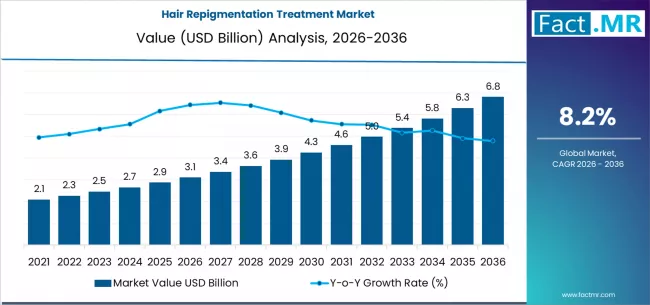
Market Value in 2026: Estimated at USD 2.1 billion
-
Market Value in 2036: Projected to exceed USD 5.8 billion
-
Forecast CAGR (2026–2036): Approximately 10.2%
-
Leading Treatment Types: Topical repigmentation formulations, injectable biologics, peptide-based therapies
-
Primary Consumer Segments: Adults aged 30–60, beauty and wellness seekers, medical aesthetics patients
-
Key Drivers: Aging demographics, demand for non-invasive treatments, rising beauty expenditure
The market’s strong projected growth reflects broad interest in safe, effective, and scientifically validated approaches to hair pigment restoration across both clinical and consumer beauty channels.
To access the complete data tables and in-depth insights, request a Discount On The Report here: https://www.factmr.com/connectus/sample?flag=S&rep_id=13519
Market Overview
Hair repigmentation treatments focus on halting or reversing the biological changes that cause hair to lose pigment. Hair color is determined by melanin produced by melanocytes within hair follicles. Over time, genetic factors, oxidative stress, hormonal shifts, and aging reduce melanocyte activity, resulting in gray or white hair. Research into cellular signaling pathways, melanin biosynthesis, and oxidative protection has enabled development of treatments that aim to preserve or reactivate pigment production.
Emerging products include topical serums with small molecules and peptide complexes that penetrate the follicle environment, biologic formulations that modulate pigment cell activity, and combination therapies that integrate antioxidant, anti-inflammatory, and cellular renewal mechanisms. Medical aesthetic clinics are also adopting advanced injectable therapies tailored to individual scalp biology, while over-the-counter repigmentation cosmeceuticals appeal to consumers seeking daily home care solutions.
Beyond aesthetics, experts note potential quality-of-life and psychological benefits associated with hair repigmentation, as natural hair color is often linked to perceptions of youth, vitality, and self-confidence.
Key Market Drivers
1. Growing Aging Population
As life expectancy rises globally and aging populations expand, age-associated hair graying is becoming more prevalent. Adults increasingly seek solutions that go beyond camouflage to restore natural appearance.
2. Rising Beauty and Grooming Expenditure
Consumers are allocating more of their disposable income toward advanced beauty and anti-aging treatments. Hair repigmentation therapies — especially those with clinical backing — are perceived as premium offerings in the expanding personal care market.
3. Advances in Biological and Dermatological Science
Increased understanding of melanocyte biology, pigment synthesis pathways, and oxidative stress mechanisms is driving development of innovative treatments that target underlying causes of depigmentation rather than merely concealing it.
4. Non-Invasive and Minimally Invasive Options
Demand for treatments that avoid surgical intervention and deliver results with minimal downtime is growing. Topical and injectable repigmentation options align with consumer preferences for convenient, low-risk therapies.
5. Influence of Media and Well-Being Trends
Social media, influencer culture, and wellness trends emphasize natural, healthy aging. Visible solutions for common aesthetic concerns such as gray hair tap into broader narratives around self-care and personal expression.
Market Segmentation Insights
By Treatment Type:
-
Topical Repigmentation Formulations: Creams, serums, and lotions incorporating peptides, small molecules, vitamins, and antioxidant compounds designed to stimulate melanocyte activity or reduce pigment loss.
-
Injectable and Biologic Therapies: Clinic-administered treatments that use biologically active agents to influence follicular pigment cells.
-
Cosmeceutical Support Products: Complementary shampoos, conditioners, and nutrient-rich treatments that support scalp health and pigment retention.
-
Combination Treatment Protocols: Integrated regimens combining topical, injectable, and supportive products tailored to individual needs.
By End User:
-
Dermatology and Medical Aesthetics Clinics: Professional settings offering advanced repigmentation protocols.
-
Beauty and Wellness Salons: Retail and service environments providing product-based solutions and consultations.
-
Direct-to-Consumer/Home Use: Consumer purchases of over-the-counter topical repigmentation products and maintenance regimens.
By Distribution Channel:
-
Clinics and Specialist Providers
-
Beauty Retailers and Salons
-
E-Commerce and Direct Online Sales
-
Pharmacy and Health Stores
Regional Demand Dynamics
North America is expected to hold a significant share of the market due to high consumer spending on beauty and anti-aging treatments, strong presence of dermatology specialists, and active adoption of advanced hair and scalp care technologies.
Europe represents a major regional segment, supported by a mature beauty market, high awareness of aesthetic treatments, and widespread access to both clinical and over-the-counter repigmentation solutions.
Asia Pacific is anticipated to register the fastest growth, driven by rising middle-class incomes, expanding beauty and grooming industries, increasing salon and medical aesthetic services, and growing interest in scientifically backed personal care innovations.
Emerging markets in Latin America and Middle East & Africa are also showing rising uptake of repigmentation treatments as awareness increases and access to specialized beauty and medical services expands.
Competitive Landscape
The hair repigmentation treatment market is moderately competitive, featuring global personal care brands, dermatological technology developers, and specialty medical aesthetic providers. Companies are focusing on research and development to enhance treatment efficacy, safety profiles, and ease of use.
Key strategies include formulation innovation, clinical validation studies, strategic partnerships with aesthetic clinics, and targeted marketing campaigns that emphasize science-based benefits. Expansion of digital sales platforms and teleconsultation services also support broader consumer access.
Future Outlook
The Hair Repigmentation Treatment Market is expected to sustain strong momentum through 2036 as demand for effective, science-driven, and aesthetically desirable hair restoration solutions grows. Continued innovation in pigment biology, topical delivery systems, and personalized treatment protocols will further expand therapeutic options.
As consumers increasingly seek long-lasting and non-invasive solutions that align with evolving beauty norms and wellness priorities, hair repigmentation treatments will become an integral component of the modern aesthetic and personal care landscape. Their intersection of cosmetic appeal, clinical science, and quality-of-life enhancement positions this market for long-term growth and diversification.
Browse Full Report: https://www.factmr.com/report/hair-repigmentation-treatment-market