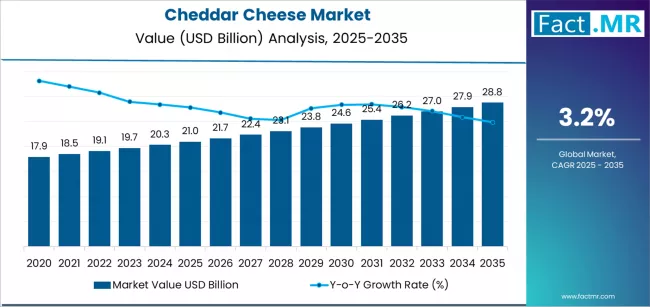
Cheddar cheese remains one of the most widely consumed cheese varieties worldwide, valued for its rich flavor profile, versatility, and long shelf life. As global dietary habits continue to evolve, cheddar cheese has secured a strong position across households, foodservice outlets, and food processing industries. The cheddar cheese market is experiencing steady expansion, driven by growing urbanization, rising disposable incomes, and increasing demand for convenient and protein-rich food products. From traditional block formats to innovative shredded and sliced variants, cheddar cheese continues to adapt to modern consumption patterns.
Market Overview
The cheddar cheese market encompasses a wide range of products differentiated by flavor intensity, aging process, fat content, and form. Manufacturers are increasingly focusing on quality differentiation, clean-label ingredients, and improved production techniques to meet changing consumer expectations. Cheddar cheese is produced using both conventional and advanced processing methods, enabling consistent taste, texture, and safety standards across regions. The market benefits from strong brand loyalty, especially in regions where cheddar is a staple ingredient in daily meals.
Key Growth Drivers
One of the primary drivers of the cheddar cheese market is the growing popularity of Western-style diets across emerging economies. As consumers embrace fast food, bakery items, and ready-to-eat meals, cheddar cheese has become a preferred ingredient due to its melting properties and robust taste. Additionally, increasing awareness of protein-rich diets has contributed to higher cheese consumption among health-conscious consumers. The expansion of organized retail and cold-chain infrastructure has further improved product accessibility and freshness, supporting market growth.
Product Innovation and Trends
Innovation plays a crucial role in shaping the cheddar cheese market. Producers are introducing flavored cheddar variants infused with herbs, spices, and smoked profiles to cater to adventurous palates. Reduced-fat, organic, and plant-based alternatives are also gaining traction as consumers seek healthier and sustainable options. Packaging innovations such as resealable packs and portion-controlled servings are enhancing convenience and minimizing food waste. These trends reflect the industry’s focus on aligning product offerings with evolving lifestyle preferences.
Regional Market Insights
North America remains a prominent market for cheddar cheese, supported by high consumption levels and a well-established dairy industry. The region benefits from strong foodservice demand and widespread use of cheddar cheese in processed foods. Europe also represents a significant market, driven by artisanal cheese production and premium product offerings. Meanwhile, the Asia-Pacific region is emerging as a high-growth market, fueled by changing food habits, expanding middle-class populations, and increasing exposure to global cuisines. Latin America and the Middle East are gradually gaining momentum as urbanization and retail penetration improve.
Applications and End-Use Outlook
Cheddar cheese finds extensive application across multiple end-use sectors. In households, it is commonly used in cooking, snacking, and baking. The foodservice industry relies heavily on cheddar cheese for burgers, sandwiches, pizzas, and sauces due to its consistency and flavor stability. In the food processing sector, cheddar cheese is used in packaged meals, snacks, and sauces, contributing to product differentiation and taste enhancement. This broad application base ensures sustained demand across diverse consumer segments.
Supply Chain and Production Landscape
The cheddar cheese market relies on a complex supply chain involving dairy farmers, processors, distributors, and retailers. Maintaining milk quality and ensuring efficient processing are critical factors influencing product consistency. Manufacturers are increasingly investing in automation, quality control systems, and sustainable sourcing practices to enhance operational efficiency. Environmental concerns and animal welfare standards are also influencing procurement and production strategies, prompting companies to adopt responsible dairy farming practices.
Competitive Landscape
The market is characterized by the presence of both global dairy corporations and regional producers. Leading players focus on brand positioning, product diversification, and strategic partnerships to strengthen their market presence. Private-label products are also gaining popularity, particularly in price-sensitive markets. Competitive strategies include expanding distribution networks, investing in marketing campaigns, and introducing premium and specialty cheddar cheese variants to capture niche segments.
Future Outlook
The cheddar cheese market is expected to continue evolving in response to changing consumer lifestyles, dietary trends, and sustainability concerns. Demand for innovative, health-oriented, and ethically produced cheese products is likely to shape future market developments. As manufacturers balance tradition with innovation, cheddar cheese will remain a key component of the global dairy industry. Access to in-depth market intelligence, such as industry analyses provided by research firms like Fact.MR, can help stakeholders identify emerging opportunities and navigate competitive challenges effectively.
Browse Full Report – https://www.factmr.com/report/154/cheddar-cheese-market