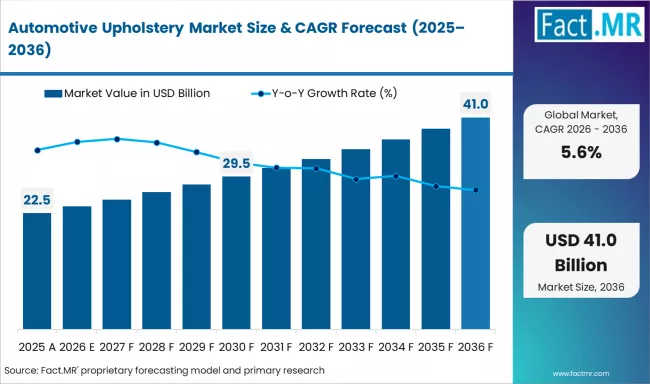
The automotive industry is rapidly evolving, with increasing emphasis on passenger comfort, interior aesthetics, and sustainability. Automotive upholstery plays a crucial role in enhancing the overall driving experience by combining functionality with design. As consumer preferences shift toward premium interiors and eco-friendly materials, the automotive upholstery market is gaining significant momentum across global markets.
Market Overview:
Automotive upholstery refers to the materials used to cover seats, door panels, dashboards, and other interior components of vehicles. These materials include leather, synthetic leather, fabrics, and advanced composites designed to provide durability, comfort, and visual appeal. Upholstery not only enhances the look and feel of a vehicle’s interior but also contributes to insulation, noise reduction, and overall passenger comfort.
The market is witnessing a transformation with the introduction of innovative materials and manufacturing techniques. Automakers are focusing on lightweight, durable, and sustainable upholstery solutions that align with modern design trends and regulatory requirements. The growing demand for electric vehicles and luxury cars is further driving the adoption of high-quality upholstery materials.
Regional Insights:
North America remains a key market for automotive upholstery, supported by strong demand for premium vehicles and advanced interior features. Europe is also a significant contributor, driven by the presence of leading automotive manufacturers and a strong focus on sustainability and design innovation.
The Asia-Pacific region is emerging as a major growth hub due to increasing vehicle production, rising disposable incomes, and growing demand for passenger vehicles. Countries in this region are witnessing rapid urbanization and expanding automotive industries, which are fueling the demand for high-quality upholstery materials.
Key Trends & Forecast:
- Shift Toward Premium Interiors: Consumers are increasingly seeking vehicles with luxurious interiors, driving demand for high-end upholstery materials such as leather and advanced synthetics.
- Sustainability and Eco-Friendly Materials: The use of recycled and bio-based materials is gaining traction as automakers aim to reduce their environmental footprint.
- Technological Advancements: Innovations such as stain-resistant fabrics, temperature-regulating materials, and antimicrobial coatings are enhancing the functionality of automotive upholstery.
- Customization and Personalization: Automakers are offering customizable interior options, allowing consumers to choose materials, colors, and designs that suit their preferences.
- Integration with Smart Features: Upholstery is being designed to accommodate features such as heated and ventilated seats, as well as embedded sensors for enhanced comfort and safety.
Applications & End-Use Outlook:
Automotive upholstery is widely used across various vehicle segments, including passenger cars, commercial vehicles, and electric vehicles. In passenger cars, upholstery plays a key role in defining the interior experience, influencing purchasing decisions.
Luxury and premium vehicle segments are major consumers of high-quality upholstery materials, as they prioritize comfort and aesthetics. Commercial vehicles also utilize durable upholstery solutions designed to withstand heavy usage and provide long-term performance.
Electric vehicles are creating new opportunities for the upholstery market, as manufacturers focus on innovative interior designs that reflect the futuristic nature of these vehicles. The growing popularity of ride-sharing and mobility services is also driving demand for durable and easy-to-maintain upholstery materials.
Challenges in the Market:
Despite its growth potential, the automotive upholstery market faces several challenges. Fluctuations in raw material prices, particularly for leather and synthetic materials, can impact production costs. Additionally, stringent regulations related to environmental sustainability and material safety require manufacturers to continuously adapt their processes.
The shift toward sustainable materials also presents challenges in terms of cost and scalability. Manufacturers must balance environmental considerations with performance and affordability. Furthermore, competition from alternative materials and evolving consumer preferences requires continuous innovation.
Future Outlook:
The future of the automotive upholstery market is shaped by ongoing advancements in material science and design innovation. The adoption of sustainable and smart materials is expected to redefine vehicle interiors, offering enhanced comfort, durability, and environmental benefits.
As the automotive industry moves toward electrification and autonomous driving, interior design will become even more important. Upholstery will play a key role in creating comfortable and aesthetically pleasing environments for passengers. Manufacturers are likely to invest in research and development to introduce next-generation materials that meet the evolving needs of consumers.
Conclusion:
Automotive upholstery is a vital component of modern vehicle design, influencing both comfort and aesthetics. With growing demand for premium interiors, sustainable materials, and advanced features, the market is poised for continued growth. Companies that focus on innovation, quality, and sustainability will be well-positioned to capitalize on emerging opportunities in this dynamic sector.
Browse Full Report – https://www.factmr.com/report/automotive-upholstery-market