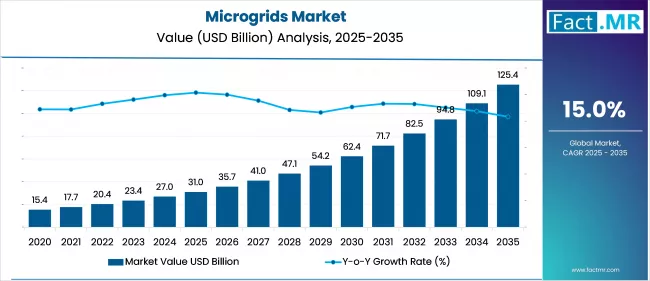
As global energy systems transition toward sustainability and resilience, the Microgrids Market is gaining significant momentum. Microgrids represent a decentralized approach to electricity generation and distribution, enabling communities, industries, and institutions to operate independently or in coordination with the main grid. With increasing concerns over grid reliability, climate change, and energy security, microgrids are emerging as a practical solution to modern power challenges.
The growing integration of renewable energy sources, digital monitoring technologies, and energy storage systems is further accelerating the deployment of microgrids across developed and developing regions alike.
Market Overview
A microgrid is a localized energy system capable of generating, distributing, and regulating electricity within a defined area. It typically consists of distributed energy resources such as solar panels, wind turbines, diesel generators, combined heat and power systems, and battery storage units. What sets microgrids apart is their ability to operate in both grid-connected and islanded modes, ensuring uninterrupted power supply during grid outages.
The Microgrids Market is expanding as governments and private organizations prioritize energy resilience and carbon reduction. Increasing electrification of remote and rural regions, combined with rising investments in renewable infrastructure, is driving demand. Additionally, advancements in smart grid technologies, real-time monitoring systems, and predictive maintenance solutions are enhancing operational efficiency.
Growing urbanization and industrialization are also contributing to the need for reliable and efficient power systems. Microgrids offer flexibility, scalability, and cost optimization, making them an attractive choice for diverse end-users.
Key Drivers
- Rising Demand for Energy Resilience
Frequent natural disasters and grid failures have exposed vulnerabilities in centralized power systems. Microgrids provide backup power capabilities and reduce dependency on the main grid, ensuring continuity for critical infrastructure such as hospitals, military facilities, and data centers. - Integration of Renewable Energy
The global push toward clean energy is encouraging the adoption of solar and wind power within microgrid systems. These decentralized networks enable efficient management of renewable generation and storage, reducing greenhouse gas emissions. - Rural Electrification Initiatives
In emerging economies, microgrids are playing a crucial role in bringing electricity to off-grid and remote communities. Governments and development agencies are investing in decentralized energy projects to improve living standards and support local economic growth. - Supportive Regulatory Frameworks
Policy incentives, subsidies, and renewable energy mandates are promoting microgrid development. Regulatory bodies are recognizing the role of microgrids in enhancing grid stability and reducing carbon footprints.
Regional Insights
North America remains a leading region in microgrid adoption due to strong technological infrastructure and policy support. Increasing investments in smart grids and renewable energy projects are strengthening the regional market.
Europe is witnessing steady growth driven by sustainability goals and strict environmental regulations. Countries across the region are integrating microgrids into urban planning and industrial operations to achieve energy efficiency targets.
Asia-Pacific is emerging as a high-growth region, supported by rapid industrialization and rural electrification programs. Growing demand for reliable electricity in remote areas and increasing renewable capacity installations are boosting market expansion.
Latin America and the Middle East & Africa are gradually adopting microgrids, particularly in regions with limited grid access or high dependency on diesel generation.
Technology Trends
Hybrid Microgrids:
Combining renewable sources with conventional generators and battery storage ensures optimal performance and reliability.
Energy Storage Integration:
Advanced battery technologies are improving energy management, enabling load balancing and peak shaving.
Digitalization and Smart Controls:
AI-driven analytics, IoT-enabled sensors, and cloud-based energy management systems are enhancing operational efficiency and predictive maintenance.
Grid Modernization:
Microgrids are increasingly being integrated into national grid modernization strategies to improve resilience and reduce transmission losses.
Applications & End-Use Outlook
The Microgrids Market serves a broad range of applications across sectors:
- Commercial & Industrial Facilities: Manufacturing plants, campuses, and business complexes utilize microgrids to reduce operational risks and energy costs.
- Healthcare Institutions: Hospitals rely on microgrids for uninterrupted power supply to critical equipment.
- Military & Defense Installations: Energy independence and security are primary drivers in this segment.
- Remote Communities & Islands: Microgrids provide sustainable electricity access where grid extension is impractical.
- Educational Institutions & Smart Cities: Universities and urban development projects are incorporating microgrids for energy optimization and sustainability.
Industrial and commercial sectors are particularly focused on reducing carbon emissions and ensuring operational continuity, making them key contributors to market growth.
Competitive Landscape
The Microgrids Market is characterized by collaborations between technology providers, utility companies, and government agencies. Market participants are focusing on innovation, system integration capabilities, and long-term service agreements to strengthen their competitive positions.
Strategic partnerships, research and development investments, and deployment of scalable energy solutions are shaping the competitive dynamics. Companies are also expanding their presence in emerging markets to tap into new growth opportunities.
Challenges
Despite strong growth prospects, the market faces certain challenges:
- High initial capital investment
- Regulatory complexities in certain regions
- Integration challenges with legacy grid systems
- Technical limitations in energy storage and load forecasting
However, ongoing technological advancements and policy support are expected to mitigate these constraints over time.
Future Outlook
The future of the Microgrids Market looks promising as global energy systems continue to evolve toward decentralization and sustainability. Increasing awareness about climate change, combined with the need for resilient power infrastructure, will further accelerate adoption.
Advancements in battery storage, renewable energy integration, and digital energy management platforms are expected to enhance efficiency and reduce costs. As industries and governments align with carbon neutrality goals, microgrids will play a pivotal role in shaping the next generation of energy systems.
Conclusion
Microgrids are transforming the way electricity is generated and distributed. By offering reliability, flexibility, and sustainability, they address many of the challenges faced by centralized power systems. As investments in renewable energy and smart grid technologies continue to rise, the Microgrids Market is set to become a cornerstone of global energy transformation.
Organizations seeking to navigate this evolving landscape can benefit from comprehensive market research and strategic insights to capitalize on emerging opportunities in decentralized energy solutions.
Browse Full Report – https://www.factmr.com/connectus/sample?flag=S&rep_id=8789