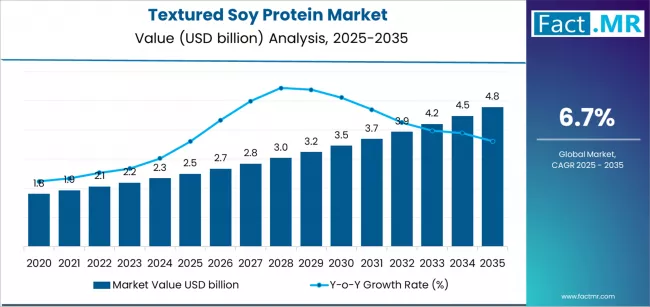
The textured soy protein market is gaining strong momentum as consumers worldwide shift toward plant-based, high-protein, and sustainable food options. Derived from defatted soy flour, textured soy protein has emerged as a key ingredient in meat alternatives and protein-enriched foods due to its fibrous texture, nutritional profile, and cost efficiency. As food manufacturers respond to changing dietary preferences, the market continues to expand across retail, foodservice, and industrial food processing sectors.
Market Overview
Textured soy protein is widely used as a meat extender or meat substitute in a variety of food products. Its ability to mimic the texture of meat, absorb flavors effectively, and deliver high protein content makes it a preferred choice for manufacturers of plant-based and hybrid food products. The ingredient is commonly used in burgers, sausages, nuggets, ready meals, and protein snacks.
According to insights from Fact.MR, the market is supported by growing awareness of health-conscious diets, increasing adoption of vegetarian and flexitarian lifestyles, and rising concerns about environmental sustainability. Compared to animal-based proteins, textured soy protein offers advantages such as longer shelf life, lower production costs, and consistent quality, further strengthening its demand.
Product Types and Forms
Textured soy protein is available in multiple forms, including chunks, granules, flakes, and powder. Each form serves specific functional requirements depending on the end product. Chunks and flakes are widely used in meat analogues, while granules and powders are commonly incorporated into processed foods and ready-to-eat meals.
Manufacturers are continuously refining extrusion and processing technologies to improve texture, mouthfeel, and hydration properties. These advancements enable better replication of meat-like structures, meeting consumer expectations for taste and texture in plant-based foods.
Applications & End-Use Outlook
The food and beverage industry represents the primary end-use segment for textured soy protein. Plant-based meat alternatives remain the largest application area, driven by growing consumer demand for protein-rich, cholesterol-free, and ethically sourced foods. Foodservice providers and quick-service restaurants are increasingly incorporating soy-based protein products into their menus to cater to diverse dietary preferences.
Processed food manufacturers also use textured soy protein as a functional ingredient to enhance protein content while maintaining product affordability. It is commonly found in soups, sauces, frozen meals, and snack foods.
In addition to human consumption, textured soy protein is gaining traction in animal feed applications, where it serves as a valuable plant-based protein source. This diversification of applications contributes to the overall resilience and growth of the market.
Regional Insights
North America and Europe are well-established markets for textured soy protein, supported by high consumer awareness, strong plant-based food innovation, and widespread availability of meat alternatives. These regions benefit from mature retail networks and growing investments in alternative protein startups.
Asia-Pacific is emerging as a key growth region due to increasing population, rising disposable incomes, and expanding food processing industries. Traditional familiarity with soy-based foods in several Asian countries also supports market acceptance and innovation.
Latin America and the Middle East & Africa are gradually witnessing increased adoption, driven by expanding urban populations, growing health awareness, and investments in modern food manufacturing infrastructure.
Key Trends & Market Outlook
Several trends are shaping the evolution of the textured soy protein market:
- Rising popularity of vegan, vegetarian, and flexitarian diets
- Increased focus on sustainable and environmentally friendly protein sources
- Continuous innovation in meat analogue formulations
- Growing use of soy protein in convenience and ready-to-eat foods
- Expansion of private-label and clean-label product offerings
Manufacturers are also responding to consumer concerns by improving product transparency, enhancing nutritional labeling, and ensuring compliance with global food safety standards.
Competitive Landscape
The textured soy protein market is moderately competitive, with global ingredient suppliers and regional producers actively participating. Competition is based on factors such as product quality, texture consistency, application versatility, and supply chain reliability.
Key players are focusing on expanding production capacities, strengthening distribution networks, and collaborating with food manufacturers to develop customized protein solutions. According to Fact.MR, innovation and strategic partnerships remain critical for companies seeking to strengthen their position in the evolving plant-based protein space.
Conclusion
The textured soy protein market continues to play a pivotal role in the global transition toward sustainable and plant-based nutrition. Its functional versatility, nutritional benefits, and cost-effectiveness make it a valuable ingredient across a wide range of food applications. As consumer preferences evolve and demand for alternative proteins rises, textured soy protein is expected to remain a cornerstone of innovation in the food industry.
For businesses, investors, and food manufacturers, understanding market dynamics, emerging trends, and regional opportunities is essential. Comprehensive industry insights from platforms such as Fact.MR can support informed decision-making and long-term strategic planning in this rapidly growing market.
Browse Full Report – https://www.factmr.com/report/527/textured-soy-protein-market