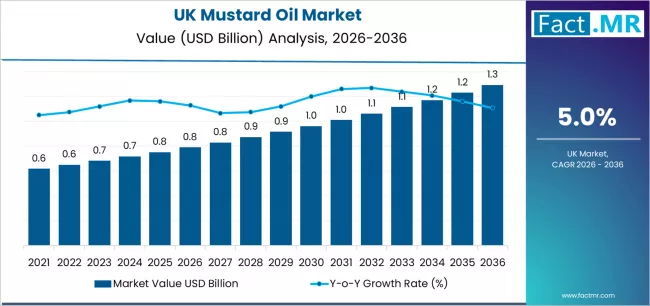
The demand for mustard oil in the United Kingdom has been gradually increasing, driven by changing consumer preferences, rising multicultural populations, and growing awareness of traditional and functional cooking oils. Once limited largely to ethnic households, mustard oil is now gaining attention among health-conscious consumers and culinary enthusiasts seeking bold flavors and natural ingredients. Its distinctive aroma, nutritional profile, and versatility in cooking have contributed to its expanding presence in the UK edible oil landscape.
Market Overview
Mustard oil is derived from mustard seeds and is widely used in South Asian, Eastern European, and traditional cuisines. In the UK, it is primarily recognized as a specialty edible oil, commonly used for cooking, pickling, and flavor enhancement. The market is shaped by both imported brands and regional distributors catering to ethnic food stores, supermarkets, and online platforms.
Increasing interest in cold-pressed and minimally processed oils has further strengthened the appeal of mustard oil. Consumers are increasingly drawn to oils that are perceived as natural, authentic, and rooted in traditional food practices. As a result, mustard oil is gradually transitioning from a niche ethnic product to a broader culinary ingredient in the UK.
Consumer Preferences and Demand Drivers
One of the key drivers of mustard oil demand in the UK is the growing multicultural population, particularly communities with strong culinary ties to South Asian cuisine. These consumers value mustard oil for its familiar taste, cooking performance, and cultural significance.
Beyond ethnic consumption, health-aware consumers are showing interest due to mustard oil’s association with natural fats and traditional wellness practices. Its pungent flavor profile appeals to adventurous home cooks and chefs experimenting with global cuisines. Additionally, consumers seeking alternatives to refined vegetable oils are increasingly considering mustard oil as part of a balanced diet.
Clean-label trends are also influencing purchasing decisions. Shoppers are paying closer attention to ingredient transparency, preferring oils that are free from excessive processing and artificial additives.
Regional Insights
Demand for mustard oil is more prominent in urban areas across the UK, where access to international food products is higher. Cities such as London, Birmingham, Leicester, and Manchester, known for their diverse populations, act as major consumption hubs.
Ethnic grocery stores continue to be the primary retail channel; however, mainstream supermarkets are gradually expanding their international food sections, making mustard oil more accessible to a wider audience. Online retail has also emerged as an important distribution channel, allowing consumers to explore different brands and product variations.
Key Trends Shaping the Market
Shift Toward Cold-Pressed Oils:
Cold-pressed mustard oil is gaining popularity due to its perceived health benefits and traditional extraction methods. Consumers associate cold-pressed oils with higher quality and better nutrient retention.
Culinary Experimentation:
Chefs and home cooks are increasingly experimenting with mustard oil in fusion recipes, marinades, and dressings. Its strong flavor is being used to add depth and authenticity to a variety of dishes beyond traditional cuisines.
Focus on Authenticity and Origin:
Brand storytelling centered on origin, traditional farming practices, and purity is becoming a key differentiator. Consumers are more likely to trust brands that highlight ethical sourcing and production transparency.
Rising Demand for Natural Wellness Products:
Mustard oil is also used for massage and traditional wellness applications. While primarily sold as an edible oil, its multifunctional use adds to overall consumer interest.
Applications and End-Use Outlook
In the UK, mustard oil is predominantly used for home cooking, particularly for frying, sautéing, and preparing traditional dishes. It is also widely used in pickles and condiments due to its preservative properties and strong taste.
The foodservice sector, including ethnic restaurants and specialty kitchens, represents another important end-use segment. Restaurants specializing in Indian, Bangladeshi, and Nepali cuisines rely heavily on mustard oil to maintain authentic flavors.
Additionally, mustard oil is gaining attention in specialty food production, where it is used in artisanal sauces, spice blends, and ready-to-cook products. Its role in wellness and personal care applications, though secondary, further broadens its market scope.
Distribution Channels
Mustard oil in the UK is distributed through ethnic grocery stores, independent retailers, online marketplaces, and select supermarket chains. E-commerce has significantly improved product accessibility, especially for consumers outside major cities.
Private-label offerings and imported brands compete within the market, with packaging, quality assurance, and labeling compliance playing an important role in consumer trust. Clear labeling regarding food-grade quality and usage instructions is particularly important in the UK market.
Competitive Landscape
The competitive landscape consists of established ethnic brands, importers, and regional distributors. Competition is driven by factors such as oil purity, extraction method, packaging quality, and brand reputation. Companies that adapt their products to meet UK food safety standards and consumer expectations are better positioned for growth.
Marketing strategies increasingly focus on education, highlighting culinary uses, health perceptions, and cultural relevance. Brands that effectively communicate versatility and quality are gaining stronger visibility.
Conclusion
The demand for mustard oil in the UK reflects a broader shift toward traditional, authentic, and naturally derived food products. As consumer interest in global cuisines and functional cooking oils continues to grow, mustard oil is finding a stable place in the UK market. Supported by multicultural consumption, culinary experimentation, and evolving retail channels, mustard oil is poised to remain a valuable niche product with expanding appeal. Businesses that emphasize quality, authenticity, and consumer awareness are likely to benefit from this growing demand.
Browse Full Report – https://www.factmr.com/report/united-kingdom-mustard-oil-market