The global shuttlecock market—a critical niche within the broader badminton equipment sector—is on a compelling growth trajectory, shaped by evolving athletic participation, technological innovation, and expanding global demand. With badminton gaining traction as both a competitive sport and a recreational activity across Asia, Europe, and North America, shuttlecock manufacturers and stakeholders face a dynamic landscape that demands strategic prioritization and forward-looking investments.
Market Overview & Forecast (2024–2036)
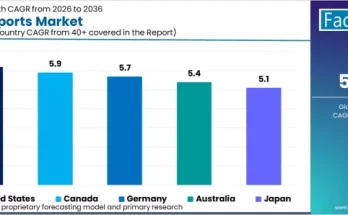
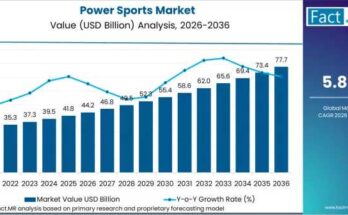
The shuttlecock market was valued at approximately US$726.5 million in 2024, with projections indicating growth to over US$1.25 billion by 2034, representing a 5.4% CAGR through that period. This robust expansion underscores increasing global adoption of badminton equipment, especially shuttlecocks, across both amateur and professional segments.
Extending this trajectory to 2036, the shuttlecock market is expected to exceed US$1.4–1.5 billion, propelled by sustained participation growth and product innovations.
1. Strategic Portfolio Priorities
A. Product Diversification: Feather, Plastic & Hybrid Models
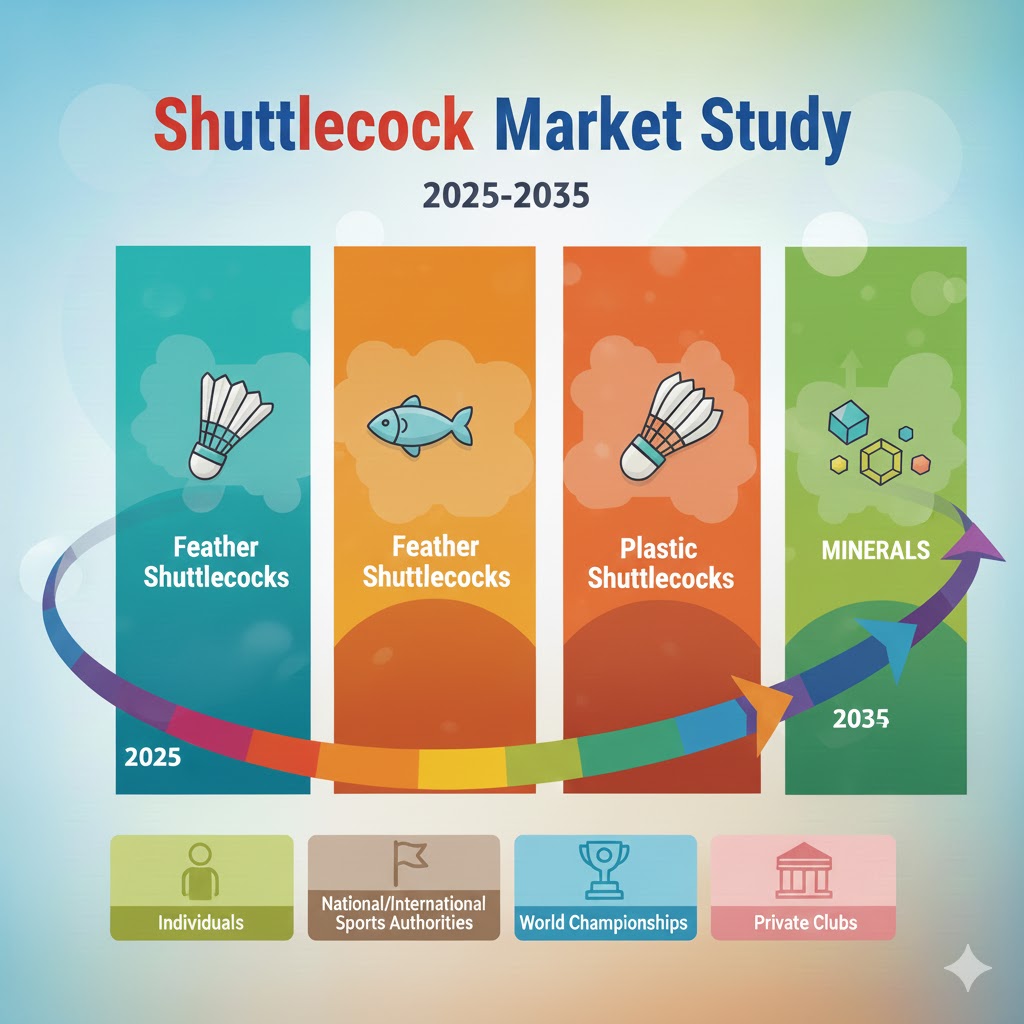
The shuttlecock market is segmented by feather and plastic (synthetic/nylon) products. Feather shuttlecocks, crafted with goose or duck feathers, dominate professional competition due to their flight performance and precision. Plastic shuttlecocks appeal to casual players because of their durability and cost-effectiveness.
Portfolio Priorities:
-
Premium Feather Models designed for elite, competitive settings—including national and international tournaments—will continue to command price premiums. Major brands dominate this space.
-
Mid-Range Synthetic Options tailored for recreational players and training academies help expand the customer base. Durable plastic shuttles represent a key growth category.
-
Eco-Innovative Hybrid Variants—merging sustainable materials with performance qualities—are emerging as future-focused offerings to capture environmentally conscious consumers.
B. Customization & Branding
Consumer expectations are shifting toward personalized shuttlecocks—featuring variable feather quality, weight, and flight characteristics—enabling brands to differentiate and charge premium prices. Custom branding for clubs, institutions, and leagues enhances both market penetration and brand loyalty.
2. Adoption Trends Shaping 2024–2036
A. Rising Global Participation in Badminton
Badminton’s increasing popularity, particularly among millennials and Gen Z consumers focused on health and fitness, is a primary adoption driver. Participation is not limited to traditional Asian strongholds but is also growing in Europe and North America as both competitive and recreational sport.
High-profile tournaments attract viewership and sponsorship that indirectly boost shuttlecock demand, exposing audiences to premium products and reinforcing brand visibility.
B. Digital Channels & E-Commerce Expansion
E-commerce platforms are increasingly significant in shuttlecock distribution. Online channels enable broader reach and provide data analytics for targeted marketing, dynamic pricing, and inventory optimization, supporting rapid scaling for both established brands and niche entrants.
3. Regional Market Dynamics
A. Asia Pacific—Dominant Growth Engine
The Asia Pacific region maintains the largest market share owing to badminton’s entrenched cultural popularity and vast player base, especially among the 18–35 age demographic. China dominates regional sales, supported by top players and strong grassroots engagement.
Emerging badminton programs in India, Indonesia, Malaysia, and South Korea further expand demand dynamics, creating opportunities for local production and international export growth.
B. Europe—Emerging Opportunity Zone
Europe’s shuttlecock demand is rising with increased sports participation, higher disposable incomes, and stronger institutional support for athletics at grassroots levels. This region’s growth trajectory could accelerate as badminton’s profile continues to rise.
C. North America—Recreational Momentum
While traditionally less badminton-centric, North America shows promising growth, especially in recreational play, fitness clubs, and school sports programs. Enhanced distribution channels and sponsorship from clubs contribute to expanding adoption.
4. Key Market Drivers and Trends
Technology & Material Innovation
Shuttlecock manufacturing is embracing aerodynamic refinements, advanced cork base technology, and material science improvements—boosting flight stability and durability. Manufacturers are also exploring biodegradable and recyclable materials to reduce environmental impact, responding to eco-conscious consumer segments.
Sustainability as a Market Imperative
Environmental considerations are influencing product design, with rising interest in eco-friendly shuttlecocks. Sustainable materials and greener manufacturing processes offer strategic differentiation and align with broader industry trends toward responsible consumption.
5. Market Restraints & Challenges
Despite strong growth prospects, the shuttlecock market faces several challenges:
-
Alternative Sport Competition: Sports like table tennis, cricket, and soccer vie for consumer attention and leisure spending.
-
Cost Sensitivity in Amateur Segments: Price pressure among casual players necessitates affordable products without compromising quality.
-
Raw Material Supply & Feather Sourcing: Traditional feather supply can be volatile, informing the shift to synthetic solutions and potentially affecting production costs.
Browse Full Report : https://www.factmr.com/report/703/shuttlecock-market
6. Future Demand Outlook to 2036
By 2036, the shuttlecock market is expected to reflect continued growth, with three key features:
-
Accelerated E-Commerce and Digital Engagement: Driving direct-to-consumer sales and data-driven marketing.
-
Expansion in Emerging Regions: Particularly in South Asia, Southeast Asia, and parts of Europe.
-
Higher Adoption of Performance & Sustainable Products: As players become more discerning and environmentally sensitive.
Investment in research and development, broader distribution partnerships, and enhanced branding initiatives will determine competitive advantage. Companies that prioritize product quality, innovation, and market segmentation will be well-positioned for success through 2036.