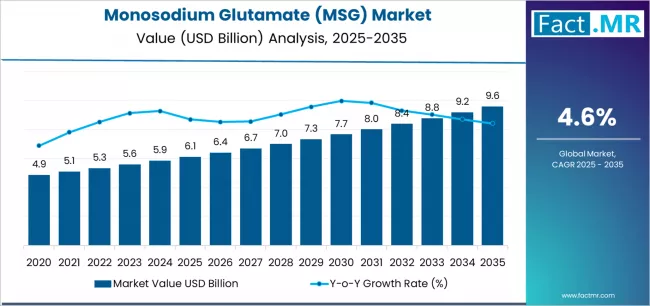
The global food industry continues to evolve with the increasing demand for convenient, tasty, and high-quality food products. Monosodium Glutamate (MSG) has emerged as a key ingredient in the flavor enhancement segment, widely used to improve the taste and palatability of processed and prepared foods. MSG, known for its ability to impart umami — the fifth basic taste — is increasingly recognized for its ability to enhance food flavor while reducing the need for excessive salt. With rising consumer preference for flavorful foods and the expansion of the processed food market, the MSG market is experiencing steady growth worldwide.
Market Overview
Monosodium Glutamate is a sodium salt of glutamic acid, naturally occurring in various foods such as tomatoes, cheese, and mushrooms. It is predominantly used as a flavor enhancer in snacks, ready-to-eat meals, canned foods, sauces, seasonings, and soups. The growing popularity of processed and convenience foods, combined with consumer demand for consistent flavor profiles, has driven the widespread adoption of MSG across food and beverage applications.
The market is also witnessing innovations in production techniques, including fermentation-based methods, which have improved the purity, taste consistency, and scalability of MSG production. These technological advancements allow manufacturers to meet evolving consumer expectations while ensuring sustainable production practices.
Regional Insights
Asia-Pacific dominates the MSG market due to strong culinary traditions, high consumption of processed foods, and established manufacturing capabilities. The region’s cuisine frequently utilizes MSG to enhance flavors in a variety of dishes, from soups to sauces. North America and Europe are experiencing growing adoption driven by convenience food trends, ethnic food popularity, and rising awareness about flavor enhancement alternatives that reduce sodium intake. Latin America and the Middle East are emerging as promising markets due to urbanization, changing dietary habits, and increasing food processing activities.
Key Trends & Forecast
Several trends are shaping the MSG market and influencing its future trajectory:
- Rising Demand for Processed and Convenience Foods:As lifestyles become increasingly fast-paced, consumers are seeking ready-to-eat, frozen, and packaged foods that offer taste and convenience, boosting MSG usage.
- Health-Conscious Flavor Solutions:Consumers are increasingly focused on reducing sodium intake. MSG is being promoted as a flavor enhancer that allows for lower salt levels without compromising taste.
- Sustainable and Fermentation-Based Production:Advanced fermentation technologies are being adopted for MSG production, offering eco-friendly and cost-effective methods that meet quality and regulatory standards.
- Growth in Ethnic and International Cuisine:The global popularity of Asian and other ethnic cuisines, where MSG is traditionally used, is driving demand in restaurants, packaged foods, and food service applications.
Applications & End-Use Outlook
MSG is applied across a variety of food and beverage products. In processed foods, it enhances the flavor of soups, instant noodles, canned foods, snacks, and seasonings. In the restaurant and foodservice industry, MSG is valued for its ability to provide consistent taste and enhance the overall dining experience.
Ready-to-eat meals, frozen foods, and fast-food outlets increasingly incorporate MSG to improve taste profiles and meet consumer expectations. The functional versatility of MSG allows food manufacturers to reduce salt content without compromising flavor, which is particularly important in health-conscious markets where consumers are monitoring sodium intake.
Market Growth Drivers
Several factors are contributing to the expansion of the MSG market:
- Increasing Global Consumption of Convenience Foods:The proliferation of processed foods, fast-food chains, and ready-to-eat meals is driving MSG demand as a reliable flavor enhancer.
- Focus on Flavor Innovation:Food manufacturers are leveraging MSG to create new products with unique taste profiles that appeal to consumers across age groups and geographies.
- Health and Nutrition Trends:MSG is being increasingly recognized as a tool for reducing overall sodium content in food products, aligning with consumer demand for healthier options without compromising taste.
- Rising Foodservice Sector:The expansion of the restaurant, catering, and institutional foodservice sectors globally is increasing MSG adoption, especially in dishes that require flavor enhancement.
Challenges & Market Constraints
Despite its benefits, the MSG market faces certain challenges. Public perception and misconceptions regarding the health effects of MSG, often referred to as “Chinese Restaurant Syndrome,” continue to influence consumer choices in some regions. Regulatory frameworks vary across countries, affecting labeling requirements and market entry conditions. Additionally, the food industry faces increasing competition from alternative flavor enhancers and natural seasoning products, which may impact market dynamics.
Outlook & Future Trends
The MSG market is expected to continue growing as the global demand for convenience, processed, and ethnic foods expands. Innovations in fermentation-based production, sustainable manufacturing practices, and product formulation will drive market evolution. Furthermore, the focus on reducing sodium content in processed foods will encourage wider adoption of MSG in both developed and emerging markets.
Emerging markets are anticipated to present significant growth opportunities due to urbanization, changing lifestyles, and increased disposable income. The incorporation of MSG into health-conscious food products and premium culinary applications will further enhance market potential.
Conclusion
The Monosodium Glutamate (MSG) market represents a key segment within the global food and flavor industry, driven by the need for consistent taste, convenient foods, and healthier dietary options. With ongoing innovations in production, growing acceptance across diverse food applications, and the rise of convenience and ethnic cuisines, MSG continues to play a pivotal role in enhancing flavors globally.
For food manufacturers, restaurants, and stakeholders in the flavor enhancement space, understanding market trends, consumer preferences, and technological advancements is essential for leveraging the potential of MSG. As the global food industry evolves, MSG is poised to remain a critical ingredient that balances taste, health, and convenience in modern culinary practices.
Browse Full Report – https://www.factmr.com/report/monosodium-glutamate-msg-market