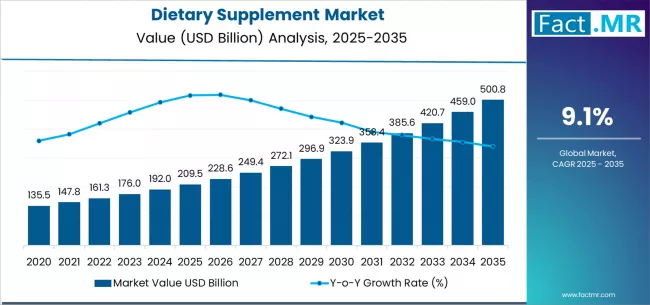
The dietary supplement market is experiencing significant growth as consumers increasingly prioritize preventive healthcare, personalized nutrition, and overall wellness. Dietary supplements, including vitamins, minerals, botanicals, and functional formulations, play a critical role in bridging nutritional gaps, supporting immunity, and enhancing physical and mental health. As awareness of chronic disease prevention and lifestyle-related health issues rises, the demand for scientifically validated, high-quality supplements continues to expand globally.
Market Overview
The dietary supplement market encompasses a diverse range of products designed to support optimal health. These products include tablets, capsules, powders, soft gels, and liquid formulations. Manufacturers are innovating in nutrient delivery, bioavailability, and targeted formulations to address specific health needs, such as immunity, digestive health, cardiovascular support, and sports nutrition.
Advancements in formulation technologies, such as microencapsulation, liposomal delivery, and time-release mechanisms, have improved absorption and efficacy. Additionally, the integration of botanicals and condition-specific ingredients provides consumers with more precise wellness solutions. The market is further strengthened by increasing acceptance of supplements as essential components of preventive health strategies and everyday wellness routines.
Regional Insights
North America and Europe remain key markets for dietary supplements due to well-established healthcare systems, regulatory frameworks, and high consumer awareness. Asia-Pacific is emerging as a major growth region, driven by expanding healthcare infrastructure, rising health consciousness, and growing adoption of digital wellness platforms. Emerging economies are also witnessing increased consumption as preventive healthcare and lifestyle-driven nutrition gain popularity, supported by e-commerce distribution and growing access to quality supplement products.
Key Trends and Forecast
- Personalized Nutrition: The trend toward condition-specific and personalized supplementation is driving demand for tailored formulations based on age, health status, and lifestyle.
- Immunity Support: Heightened focus on immunity enhancement, especially post-pandemic, has increased consumer interest in vitamins, minerals, and botanical blends that promote immune health.
- Botanical and Natural Ingredients: Consumer preference for clean-label and plant-based ingredients has led to innovation in botanical extracts, standardized herbal formulations, and evidence-backed natural supplements.
- Technological Innovation: Advances in supplement delivery systems, including microencapsulation, liposomal technology, and controlled-release formats, improve nutrient absorption and therapeutic outcomes.
- Omnichannel Distribution: Growth in e-commerce, direct-to-consumer platforms, and health-focused retail channels has expanded market access and convenience for consumers.
Applications and End-Use Outlook
Dietary supplements are used across various consumer groups and settings, including:
- General Health and Wellness: Supporting overall nutrition, energy levels, and lifestyle-driven wellness.
- Immunity and Preventive Health: Targeting vitamins, minerals, and herbal extracts that enhance immune function and prevent deficiencies.
- Sports and Fitness Nutrition: Supplements supporting performance, recovery, and muscle health for athletes and active individuals.
- Condition-Specific Formulations: Targeting cardiovascular health, digestive wellness, joint support, cognitive function, and aging-related health concerns.
- Functional and Botanical Supplements: Offering bioactive compounds, herbal extracts, and specialized nutrients for targeted health outcomes.
The versatility of dietary supplements allows consumers to integrate them into daily routines, preventive health strategies, and condition-specific care programs.
Market Drivers
- Rising Health Consciousness: Consumers are increasingly proactive in managing wellness and preventing chronic diseases, fueling demand for supplements.
- Aging Population: Growing elderly demographics are seeking products that support immunity, bone health, cognitive function, and vitality.
- Scientific Validation: Evidence-based formulations with clinical efficacy and improved bioavailability enhance consumer confidence and adoption.
- Digital Health Integration: Personalized nutrition assessments, telemedicine, and online health platforms facilitate targeted supplement recommendations.
- Convenience and Accessibility: Tablets, capsules, and ready-to-use formulations provide ease of consumption for busy lifestyles.
Challenges
- Regulatory Compliance: Varying global regulations and stringent quality standards require manufacturers to maintain rigorous testing and certifications.
- Product Differentiation: With increasing competition, manufacturers must innovate to create unique, science-backed products that stand out.
- Consumer Awareness: Educating consumers about effective supplementation, proper usage, and potential interactions is essential to ensure safe adoption.
- Supply Chain and Cost: Ingredient sourcing, manufacturing complexity, and pricing pressures can impact product accessibility and profitability.
Future Outlook
The dietary supplement market is poised for continued growth as preventive healthcare and personalized nutrition become integral to modern wellness strategies. Innovations in botanical formulations, condition-specific supplements, and advanced nutrient delivery systems will drive market expansion. Integration with digital health platforms and telemedicine will further enable precise supplementation, adherence monitoring, and personalized wellness solutions.
As consumers increasingly adopt supplements as part of comprehensive health routines, the market is expected to expand across demographics, geographies, and wellness segments. Manufacturers focusing on scientific validation, high-quality ingredients, clean-label formulations, and innovative delivery technologies are likely to gain competitive advantage in this dynamic market landscape.
Conclusion
The dietary supplement market plays a vital role in supporting preventive healthcare, personalized nutrition, and overall wellness. With growing health consciousness, technological advancements, and increasing accessibility through omnichannel distribution, dietary supplements are becoming essential components of modern health routines. The future of the market lies in innovation, targeted formulations, and consumer education, ensuring that supplements effectively enhance health, prevent deficiencies, and contribute to improved quality of life across populations.
Browse Full Report – https://www.factmr.com/report/dietary-supplements-market