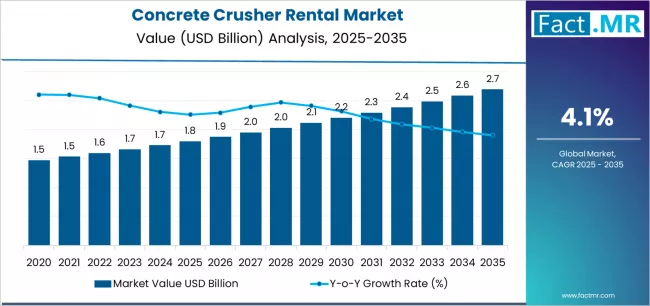
The concrete crusher rental market is gaining strong traction as construction and demolition activities expand across the globe. With growing emphasis on sustainability, waste reduction, and efficient material management, contractors are increasingly turning to concrete crushers to process debris directly at project sites. These machines break down large chunks of concrete into reusable aggregates, helping companies reduce disposal costs while supporting environmentally responsible construction practices.
Renting concrete crushers has become a practical strategy for contractors seeking advanced equipment without committing to significant capital investments. The rental model provides flexibility, scalability, and access to modern machinery, making it a preferred option for projects of varying sizes.
Market Overview
Concrete crushers are heavy-duty machines designed to crush demolished concrete into smaller, manageable fragments that can be reused in new construction projects. By converting waste into valuable raw material, these machines contribute to circular construction practices and minimize reliance on newly sourced aggregates.
The rental segment has witnessed rising demand as construction firms prioritize operational efficiency. Instead of purchasing equipment that may only be used periodically, companies can rent crushers based on project timelines. Rental providers typically offer a diverse range of machines—from compact units suited for urban projects to high-capacity crushers capable of handling large-scale demolition waste.
This shift toward rental solutions aligns with broader industry trends focused on cost control, resource optimization, and sustainable construction methods.
Key Market Drivers
Growth in Construction and Demolition Activities
Rapid urban development, infrastructure upgrades, and redevelopment projects are generating substantial volumes of concrete waste. Crushers enable contractors to manage debris efficiently while maintaining cleaner and safer job sites.
Rising Focus on Sustainability
Environmental concerns are reshaping construction practices. Recycling concrete reduces landfill usage, lowers transportation emissions, and decreases the need for virgin materials. As sustainability becomes a priority, the adoption of concrete crushers is expected to increase steadily.
Financial Advantages of Renting
Heavy equipment purchases often involve high upfront costs, ongoing maintenance, and storage requirements. Renting eliminates these challenges, allowing contractors to allocate resources more effectively. The ability to scale equipment usage according to project requirements further strengthens the appeal of rental services.
Technological Advancements
Modern concrete crushers feature improved crushing efficiency, enhanced mobility, and user-friendly controls. Many machines are designed for quick setup and transport, enabling contractors to operate across multiple sites with minimal downtime. These innovations encourage companies to rely on rental fleets to access the latest technology.
Regional Insights
North America
A well-established construction industry and strong emphasis on recycling have supported consistent demand for concrete crusher rentals. Contractors in the region increasingly adopt on-site crushing to streamline operations and comply with environmental guidelines.
Europe
Strict waste management regulations and sustainability goals are driving the use of concrete recycling equipment. Many construction firms are integrating crushers into their workflows to meet regulatory requirements while improving cost efficiency.
Asia-Pacific
Rapid urbanization and infrastructure expansion are fueling demand across emerging economies. Large-scale residential and commercial developments generate significant construction debris, creating opportunities for rental providers to supply efficient crushing solutions. The region’s cost-conscious contractors often prefer renting over purchasing expensive machinery.
Other Developing Regions
As construction sectors mature, awareness of recycling benefits continues to grow. Rental services help local contractors access advanced equipment, improving productivity and project outcomes without heavy financial commitments.
Segmentation Dynamics
By Crusher Type
Jaw crushers are widely used for primary crushing due to their ability to handle large concrete pieces with high efficiency. Impact crushers are also popular, particularly for producing finely crushed material suitable for reuse in road bases and structural fill. Cone crushers serve specialized applications requiring uniform aggregate sizes.
By Mobility
Mobile crushers are gaining popularity because they can be transported directly to job sites, eliminating the need to haul debris elsewhere for processing. This reduces logistics costs and accelerates project timelines. Stationary crushers remain relevant for large operations where continuous, high-volume crushing is required.
By Application
Demolition projects represent a major application area, as tearing down aging structures generates large quantities of recyclable material. Infrastructure redevelopment, road construction, and commercial building projects also contribute significantly to market demand.
By End Users
Construction contractors, demolition specialists, and infrastructure developers form the primary customer base. These users rely on rental equipment to maintain flexibility and respond quickly to changing project requirements.
Challenges in the Market
Operational Expertise
Concrete crushers require trained operators to ensure safe and efficient performance. A shortage of skilled personnel can sometimes slow adoption, particularly among smaller contractors.
Maintenance and Equipment Downtime
Rental providers must maintain their fleets carefully to ensure reliability. Frequent usage can lead to wear and tear, making proactive servicing essential for uninterrupted operations.
Competition from Alternative Recycling Methods
Although crushers are highly effective, alternative waste management approaches may influence equipment choices depending on project needs and cost considerations.
Future Outlook
The future of the concrete crusher rental market appears promising as construction industries continue to embrace sustainable practices and resource efficiency. Recycling is expected to become a standard component of project planning, further strengthening demand for crushing equipment.
Digitalization is also shaping the rental landscape. Online reservation platforms, telematics, and predictive maintenance technologies are improving fleet management while enhancing customer convenience. These innovations enable rental providers to deliver faster, more reliable services.
Additionally, ongoing infrastructure investments and urban redevelopment initiatives will likely create consistent opportunities for rental companies. Businesses that focus on expanding their equipment offerings, adopting advanced technologies, and delivering strong customer support are poised to thrive in this evolving market.
Conclusion
The concrete crusher rental market plays a vital role in modern construction by enabling efficient waste management and promoting sustainable building practices. Rental services provide contractors with access to powerful crushing equipment without the financial burden of ownership, allowing them to complete projects with greater agility.
As the industry moves toward environmentally responsible solutions and smarter resource utilization, concrete crusher rentals are expected to remain an essential component of construction operations. Companies that prioritize innovation, flexibility, and service quality will be well positioned to capitalize on the market’s growing potential.
Browse Full Report – https://www.factmr.com/report/concrete-crusher-rental-market