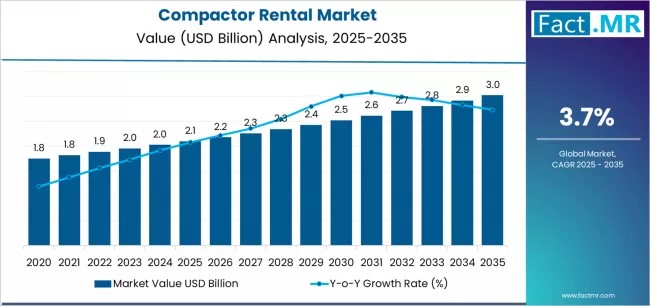
The compactor rental market is steadily gaining traction as industries increasingly prioritize operational efficiency, cost control, and flexible access to heavy equipment. Compactors — essential machines used to compress soil, asphalt, and waste materials — play a critical role in construction, infrastructure development, and municipal waste management. Renting compactors allows businesses to utilize high-performance equipment without committing to significant capital investment, making it an appealing option for project-based operations.
As urbanization accelerates and governments focus on improving infrastructure and sanitation systems, the demand for compactor rental services continues to expand. Organizations are recognizing the benefits of rental models, including reduced maintenance responsibilities, improved scalability, and access to the latest machinery.
Market Overview
The compactor rental market provides contractors, municipalities, and industrial operators with temporary access to specialized compaction equipment designed for various applications. These machines are vital for preparing construction sites, stabilizing foundations, compacting roads, and managing waste efficiently.
Rental providers typically offer a diverse range of equipment, including plate compactors, vibratory rollers, landfill compactors, and pneumatic compactors. Each type is engineered to handle specific materials and project requirements, enabling businesses to select the most suitable machinery for their tasks.
One of the primary advantages of renting compactors is the flexibility it offers. Companies can scale equipment usage according to project timelines, avoiding the financial and logistical challenges associated with ownership. Many rental providers also include maintenance, inspections, and technical support, ensuring reliable performance throughout the rental period.
Growth Drivers Shaping the Market
Several factors are contributing to the growth of the compactor rental market across global industries.
Expansion of Construction and Infrastructure Projects
Rapid urban development has increased the need for reliable compaction equipment to support roads, bridges, residential complexes, and commercial structures. Proper compaction is essential for ensuring structural stability and longevity, making compactors indispensable on construction sites. Rental services allow contractors to access modern equipment tailored to specific project phases.
Rising Focus on Efficient Waste Management
Municipalities and private waste management companies rely on compactors to reduce waste volume, optimize landfill space, and improve transportation efficiency. As cities grow and sustainability becomes a priority, the demand for effective waste handling solutions is rising. Renting compactors provides organizations with the tools needed to manage waste without investing in permanent fleets.
Cost Savings and Financial Flexibility
Purchasing heavy machinery often requires substantial upfront expenditure along with ongoing maintenance and storage costs. Rental models eliminate these burdens while providing access to advanced equipment. This approach is particularly beneficial for small and medium-sized businesses that need high-quality machinery but prefer to maintain financial agility.
Growth in Industrial Activities
Manufacturing facilities, logistics centers, and industrial plants frequently require compactors for material handling and waste reduction. Rental options enable these facilities to respond quickly to operational changes while ensuring compliance with safety and environmental standards.
Increasing Adoption of Equipment Rental Models
The broader shift toward equipment rental is transforming how companies approach capital expenditure. Businesses are increasingly viewing rental services as strategic tools that enhance productivity while minimizing long-term financial commitments.
Key Trends and Technological Advancements
The compactor rental market is evolving in response to technological innovation and changing customer expectations.
Integration of Smart Technologies
Modern compactors are increasingly equipped with features such as telematics, performance monitoring, and automated controls. These technologies help operators track machine usage, optimize compaction results, and reduce fuel consumption. For rental providers, smart systems improve fleet management and maintenance planning.
Demand for Eco-Friendly Equipment
Environmental considerations are influencing equipment design and selection. Manufacturers are developing compactors with lower emissions, improved fuel efficiency, and reduced noise levels. Rental companies are upgrading their fleets to meet sustainability goals and comply with stricter environmental regulations.
Preference for Versatile Machinery
Customers are seeking multi-functional compactors capable of handling diverse applications. Equipment that can adapt to different terrains and materials enhances project efficiency and reduces the need for multiple machines.
Comprehensive Rental Solutions
Businesses increasingly prefer providers that offer end-to-end services, including delivery, setup, operator training, and ongoing technical support. These value-added offerings simplify equipment management and allow clients to focus on core project activities.
Regional Insights
Regional developments significantly influence the trajectory of the compactor rental market.
North America
A well-established construction sector and strong emphasis on infrastructure maintenance support consistent demand for compaction equipment. The region’s mature rental ecosystem further strengthens market growth.
Europe
Sustainability initiatives and strict environmental standards are encouraging the use of advanced compaction technologies. Ongoing urban renewal projects also contribute to steady equipment demand.
Asia-Pacific
Rapid urbanization, expanding transportation networks, and large-scale government projects are driving the adoption of rental equipment. As construction activity intensifies, the need for reliable compactors continues to rise.
Middle East and Africa
Major infrastructure developments, including smart city initiatives and transportation corridors, are creating opportunities for rental providers. The flexibility of rental solutions aligns well with large, project-driven markets.
Latin America
Growing industrialization and improvements in waste management infrastructure are supporting gradual market expansion. Companies across the region are increasingly recognizing the operational advantages of renting heavy equipment.
Competitive Landscape
The compactor rental market features a combination of global equipment rental companies and regional providers competing on fleet quality, service reliability, and pricing strategies. Organizations that maintain modern, well-serviced equipment are better positioned to attract repeat customers.
Key competitive strategies include fleet expansion, adoption of advanced technologies, and partnerships with construction and waste management firms. Providers that emphasize responsive customer service and flexible rental terms often gain a competitive edge in a market where project timelines can shift rapidly.
Conclusion
The compactor rental market has become an essential enabler of efficient construction and waste management practices. By offering access to specialized machinery without the financial burden of ownership, rental services help businesses maintain productivity while controlling operational costs.
As infrastructure development accelerates, environmental awareness grows, and industries continue to seek flexible equipment solutions, the demand for compactor rentals is expected to remain strong. Companies that prioritize innovation, sustainability, and customer-focused services will be well positioned to succeed in this evolving landscape, supporting safer construction practices and more effective resource management worldwide.
Browse Full Report: https://www.factmr.com/report/compactor-rental-market