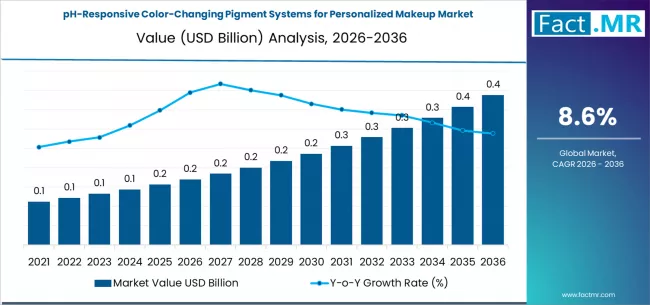
The cosmetics and personal care industry is undergoing a transformation driven by consumer demand for customization, interactivity, and innovative beauty solutions. Among the most exciting advancements are pH-responsive color-changing pigment systems that adjust shades based on the wearer’s skin pH, offering a personalized makeup experience. These innovative systems enable consumers to achieve products that adapt to their individual physiology, creating a unique and dynamic aesthetic. The development of such pigment systems represents a growing segment in the global beauty market, combining chemistry, material science, and cosmetic innovation.
Market Overview
pH-responsive color-changing pigment systems are designed to react to slight variations in skin acidity, producing a visually noticeable shift in color. Typically incorporated into lipsticks, blushes, foundations, and eye makeup, these pigments offer a high level of personalization without requiring multiple product variants. Unlike conventional pigments, these systems create dynamic effects, enhancing user engagement and providing a novel cosmetic experience.
The market for these pigment systems encompasses a range of formulations, including microcapsules, polymeric colorants, and hydrogel-based carriers that ensure stability, safety, and skin compatibility. Advances in cosmetic science have enabled the integration of these pigments with long-lasting, non-toxic, and skin-friendly formulations suitable for daily wear. This integration supports both product innovation for brands and enhanced experiences for consumers.
Key Market Drivers
Rising consumer demand for personalized beauty products is a major driver of the pH-responsive color-changing pigment systems market. Modern consumers are increasingly seeking products that are tailored to their unique features, lifestyle, and preferences. Interactive makeup solutions that respond to skin conditions offer a high level of customization, meeting this growing demand.
The trend toward natural, safe, and multifunctional ingredients also supports market growth. pH-responsive pigments can be incorporated into formulations that combine hydration, sun protection, and long-lasting wear, providing multifunctional benefits in a single product.
Innovation in material science and color chemistry is another key factor. Advanced encapsulation techniques, polymeric carriers, and stable color-changing compounds allow for controlled, repeatable, and safe color transitions. This ensures product reliability and consistent performance, making these pigments more attractive to both established brands and emerging cosmetic innovators.
Regional Insights
North America remains a leading market for pH-responsive color-changing pigment systems due to high consumer awareness, strong cosmetic R&D infrastructure, and a culture of early adoption of innovative beauty solutions. The region’s premium cosmetic brands are heavily investing in personalization technologies, driving demand for advanced pigment systems.
Europe is also a significant market, supported by the presence of renowned cosmetic manufacturers, a focus on high-quality formulations, and a growing demand for clean and sustainable beauty products. Regulatory compliance and safety standards in this region further encourage the development of stable, skin-friendly color-changing systems.
The Asia-Pacific region is emerging as a high-growth market due to rising disposable incomes, rapid urbanization, and increasing interest in luxury and niche cosmetic products. Consumers in this region are seeking interactive and personalized beauty solutions, creating strong demand for innovative pigment systems.
Key Trends & Forecast
Several trends are shaping the pH-responsive color-changing pigment systems market:
- Personalized and adaptive cosmetics: Consumers increasingly prefer products that adapt to their individual physiology and style preferences.
- Integration with multifunctional formulations: Pigments are being incorporated into lip balms, foundations, and skincare-infused makeup to provide hydration, sun protection, and anti-aging benefits.
- Sustainable and natural pigments: Brands are focusing on biocompatible and eco-friendly materials to meet the growing demand for clean beauty.
- Digital and AI-enabled customization: Smart cosmetic applications and AI-based shade recommendation tools are driving innovation and consumer engagement.
- Expansion into emerging segments: Products targeting teenagers, professional makeup artists, and luxury beauty enthusiasts are creating niche opportunities.
These trends indicate that innovation, personalization, and consumer engagement will continue to define the market’s trajectory.
Applications & End-Use Outlook
The primary applications of pH-responsive color-changing pigment systems are in lipsticks, lip glosses, blushes, foundations, eye shadows, and nail products. In lip products, pigments adapt to the wearer’s natural lip pH to create a unique shade, while in foundations and blushes, they enhance natural skin tones dynamically.
Luxury cosmetic brands, professional makeup lines, and high-end personalized beauty services are key end users of these pigment systems. Additionally, direct-to-consumer brands leveraging e-commerce platforms are adopting these innovative pigments to differentiate their product offerings and engage digitally savvy consumers.
The versatility of these pigments also makes them suitable for limited edition and seasonal collections, enabling brands to create novel marketing campaigns and attract new customers.
Competitive Landscape
The pH-responsive color-changing pigment systems market is characterized by high innovation, with both established cosmetic brands and niche startups investing heavily in R&D. Companies are focusing on formulation stability, color intensity, safety, and long-lasting effects to differentiate their offerings.
Strategic collaborations between pigment suppliers, cosmetic formulators, and technology providers are becoming common, enabling faster product development and market launch. Patents, proprietary formulations, and unique encapsulation technologies are key competitive differentiators. Additionally, brands are increasingly focusing on sustainability and clean beauty standards to align with evolving consumer preferences.
Conclusion
pH-responsive color-changing pigment systems represent a groundbreaking advancement in the cosmetics industry, offering a highly personalized, dynamic, and engaging beauty experience. By integrating innovation in chemistry, material science, and cosmetic formulation, these pigments are redefining the way consumers interact with makeup. As personalization, multifunctionality, and sustainable ingredients continue to influence the beauty market, the demand for advanced color-changing pigment systems is expected to grow, providing significant opportunities for brands, suppliers, and innovators in the cosmetics sector.
Browse Full Report – https://www.factmr.com/report/ph-responsive-color-changing-pigment-systems-for-personalized-makeup-market