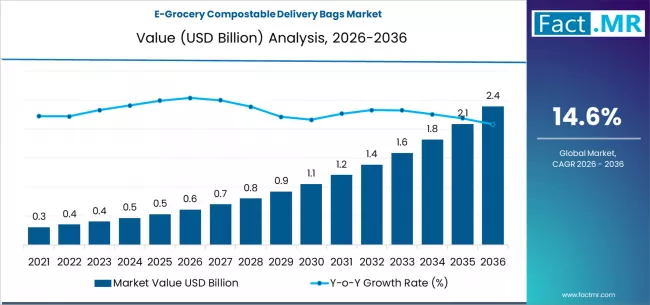
The rapid expansion of e-grocery platforms has reshaped how consumers purchase daily essentials, offering convenience, speed, and doorstep delivery. However, this growth has also intensified concerns around packaging waste, particularly single-use plastic bags used in last-mile delivery. In response, compostable delivery bags are emerging as a sustainable alternative, aligning environmental responsibility with operational efficiency. The e-grocery compostable delivery bags market is gaining traction as retailers, governments, and consumers push for eco-friendly packaging solutions that reduce environmental impact without compromising functionality.
Market Overview
E-grocery compostable delivery bags are designed using bio-based and biodegradable materials that break down under composting conditions, leaving minimal environmental residue. These bags are increasingly used for packaging fresh produce, frozen foods, dairy products, and packaged groceries in online retail channels. Market growth is being supported by rising awareness of plastic pollution, regulatory pressure to reduce plastic waste, and the sustainability commitments of leading grocery retailers and delivery platforms.
Manufacturers are focusing on improving durability, moisture resistance, and load-bearing capacity to ensure compostable bags meet the performance standards required for grocery delivery. As material science advances, compostable bags are becoming more competitive with conventional plastic alternatives, encouraging wider adoption across urban and semi-urban markets.
Sustainability and Regulatory Landscape
Environmental regulations play a crucial role in shaping demand for compostable delivery bags. Many regions have implemented restrictions or bans on single-use plastic packaging, prompting e-grocery companies to rethink their packaging strategies. Compostable bags offer compliance with these evolving regulations while also supporting corporate sustainability goals.
In addition to government policies, consumer behavior is driving change. Environmentally conscious shoppers increasingly prefer brands that demonstrate commitment to sustainability. Compostable delivery bags enhance brand perception and help retailers build long-term customer trust. Certification standards and compostability labels further support transparency, enabling consumers to make informed purchasing decisions.
Material Innovations and Design Trends
Material innovation is a key driver in the e-grocery compostable delivery bags market. Common materials include starch-based polymers, polylactic acid (PLA), cellulose films, and blended bio-resins that improve strength and flexibility. These materials are engineered to maintain performance across varying temperature and humidity conditions, which is critical for grocery delivery logistics.
Design enhancements such as reinforced handles, leak-proof seams, and breathable structures for fresh produce are becoming standard features. Custom branding and printing using eco-friendly inks allow retailers to combine sustainability with marketing, turning compostable bags into brand-building assets rather than cost centers.
Regional Market Dynamics
Regional adoption patterns vary based on regulatory frameworks, infrastructure, and consumer awareness. Developed markets are at the forefront of compostable packaging adoption due to stricter environmental laws and higher sustainability expectations. In these regions, e-grocery companies are integrating compostable bags as part of broader green logistics strategies.
Emerging markets are witnessing gradual adoption as urbanization, digital grocery platforms, and waste management infrastructure continue to evolve. Increased investments in composting facilities and public awareness campaigns are expected to accelerate market penetration over the coming years.
Applications in the E-Grocery Ecosystem
Compostable delivery bags are used across multiple e-grocery segments, including fresh fruits and vegetables, ready-to-eat meals, bakery items, and household essentials. Their versatility makes them suitable for both short-distance hyperlocal deliveries and larger fulfillment networks.
Retailers and third-party delivery services are increasingly collaborating with packaging suppliers to develop customized compostable solutions that align with their operational needs. Subscription-based grocery models and quick-commerce platforms are also contributing to demand, as they require reliable and scalable packaging options that support high delivery volumes.
Challenges and Adoption Barriers
Despite strong growth potential, the market faces challenges related to cost sensitivity, composting infrastructure availability, and consumer education. Compostable bags require proper disposal conditions to achieve their environmental benefits, and lack of awareness can limit their effectiveness.
To address these issues, stakeholders are investing in educational initiatives, clearer labeling, and partnerships with municipal composting programs. Continuous innovation aimed at improving cost efficiency and performance is expected to further reduce adoption barriers.
Competitive Landscape and Strategic Outlook
The competitive landscape includes packaging manufacturers, material innovators, and sustainability-focused startups working alongside established players. Companies are differentiating through material innovation, certifications, and long-term supply partnerships with e-grocery platforms.
Looking ahead, the e-grocery compostable delivery bags market is expected to benefit from the convergence of sustainability regulations, technological advancements, and evolving consumer preferences. As e-commerce grocery penetration deepens globally, compostable delivery bags will play a critical role in reducing packaging waste and supporting circular economy goals.
Conclusion
The e-grocery compostable delivery bags market represents a vital step toward sustainable online grocery ecosystems. By replacing conventional plastic packaging with compostable alternatives, retailers can reduce environmental impact while meeting regulatory and consumer expectations. Continued innovation, supportive policies, and increased awareness will be key to unlocking the full potential of compostable delivery solutions in the evolving e-grocery landscape.
Browse Full Report – https://www.factmr.com/report/e-grocery-compostable-delivery-bags-market