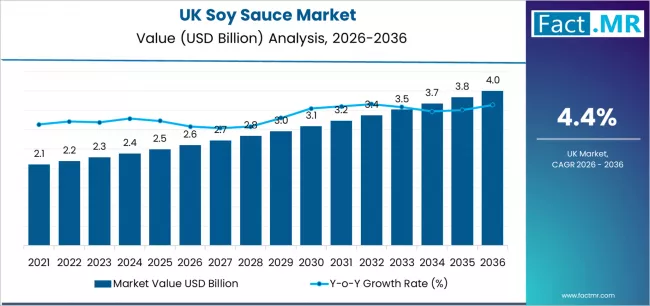
The demand for soy sauce in the United Kingdom has been steadily rising as consumer tastes continue to diversify and global cuisines become more deeply embedded in everyday cooking. Once considered a niche condiment associated mainly with East Asian food, soy sauce has evolved into a widely used ingredient across British households, restaurants, and food manufacturing. Its versatility, umami-rich flavor, and compatibility with modern cooking trends have made it a staple in both traditional and fusion cuisines.
Market Overview
Soy sauce is a fermented condiment made primarily from soybeans, wheat, salt, and water. In the UK, it is available in various forms, including light, dark, low-sodium, and specialty varieties. The market is shaped by a mix of international brands, regional distributors, and private-label offerings from major retailers.
Growing awareness of authentic cooking ingredients and interest in Asian culinary traditions have contributed significantly to the expanding presence of soy sauce in the UK food sector. Retailers are dedicating more shelf space to international condiments, while foodservice operators increasingly rely on soy sauce as a core flavoring component.
Consumer Preferences and Demand Drivers
One of the primary drivers of soy sauce demand in the UK is the increasing popularity of Asian cuisines such as Chinese, Japanese, Korean, and Southeast Asian food. Consumers are not only dining out more frequently at Asian restaurants but are also recreating these flavors at home, boosting retail sales of soy sauce.
Health-conscious consumers are showing interest in reduced-sodium and naturally fermented soy sauce options. Clean-label products with fewer additives and transparent ingredient lists are gaining traction, aligning with broader trends toward mindful eating.
Plant-based and flexitarian diets have also supported demand growth. Soy sauce is commonly used as a flavor enhancer in vegetarian and vegan recipes, making it an essential ingredient for consumers seeking meat alternatives without compromising taste.
Regional Insights
Demand for soy sauce is particularly strong in urban areas across the UK, where multicultural populations and exposure to global food trends are highest. Cities such as London, Manchester, Birmingham, and Leeds act as key consumption centers due to the concentration of restaurants, specialty food stores, and international supermarkets.
While urban demand leads, regional and suburban markets are also experiencing growth as mainstream supermarkets expand their international food offerings. Online grocery platforms have further improved access, enabling consumers nationwide to purchase a wide range of soy sauce brands and varieties.
Key Trends Shaping the Market
Premium and Artisanal Soy Sauce:
There is growing interest in traditionally brewed and aged soy sauces that offer deeper flavor profiles. Consumers are increasingly willing to explore premium options that emphasize craftsmanship and authenticity.
Low-Sodium and Health-Focused Variants:
Reduced-salt soy sauce products are gaining popularity among health-aware consumers who want to enjoy flavor without excessive sodium intake.
Sustainability and Ethical Sourcing:
Brands that highlight sustainable production practices and responsible sourcing of soybeans are resonating with environmentally conscious consumers.
Fusion Cuisine and Culinary Innovation:
Soy sauce is being used beyond Asian recipes, finding applications in marinades, sauces, dressings, and even Western-style dishes. This versatility continues to broaden its appeal.
Applications and End-Use Outlook
In the UK, soy sauce is widely used in home cooking, foodservice, and food manufacturing. Households use it for stir-fries, dipping sauces, marinades, and seasoning. The foodservice sector, including restaurants, takeaways, and catering services, represents a major end-use segment.
Food manufacturers incorporate soy sauce into ready meals, sauces, snacks, and processed foods to enhance flavor complexity. Its role as a natural umami enhancer makes it valuable in product formulation, particularly in plant-based and reduced-meat products.
Soy sauce is also used in the hospitality sector for menu innovation and recipe customization, supporting demand from professional chefs and culinary institutions.
Distribution Channels
Soy sauce in the UK is distributed through supermarkets, convenience stores, specialty Asian food shops, and online platforms. Large retail chains play a significant role in expanding product visibility, while specialty stores cater to consumers seeking authentic or imported varieties.
E-commerce has become an important sales channel, especially for premium and specialty soy sauces that may not be widely available in physical stores. Subscription boxes and online marketplaces further support product discovery.
Competitive Landscape
The UK soy sauce market features a competitive mix of global brands, regional players, and private-label products. Competition is influenced by factors such as taste profile, fermentation method, packaging, and brand reputation.
Manufacturers are investing in marketing and consumer education to highlight product differentiation, such as brewing techniques and culinary versatility. Partnerships with chefs and food influencers are also helping brands build trust and awareness.
Conclusion
The demand for soy sauce in the UK reflects evolving consumer preferences toward global flavors, plant-based cooking, and authentic culinary experiences. As soy sauce continues to transition from a niche condiment to a mainstream kitchen staple, its applications across home cooking, foodservice, and food manufacturing are expected to expand. Brands that focus on quality, innovation, and consumer engagement are well-positioned to benefit from the growing appreciation for soy sauce in the UK market.
Browse Full Report – https://www.factmr.com/report/united-kingdom-soy-sauce-market