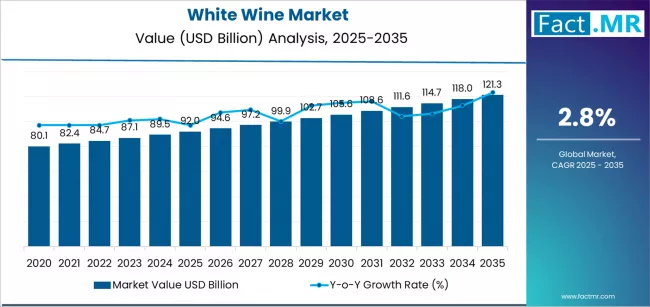
White wine has long held a cherished place in global beverage culture, celebrated for its light, crisp flavor and versatility in pairing with a wide variety of dishes. As consumer interest in premium, lifestyle-oriented alcoholic beverages grows, white wine continues to gain prominence among both connoisseurs and casual drinkers. Its appeal lies in the balance between elegance and approachability, making it suitable for formal dining, social gatherings, and everyday consumption. The white wine market is expanding steadily as consumers increasingly prioritize quality, authenticity, and enjoyable drinking experiences.
Market Overview
White wine is typically produced from white grape varieties, or sometimes from red grapes with minimal skin contact, to maintain its pale color and delicate flavor profile. The market features a range of styles, including dry, semi-dry, sweet, and sparkling varieties, catering to diverse consumer preferences. Producers focus on consistent quality, aroma, and balance, often highlighting vineyard-specific characteristics to enhance product differentiation. Packaging innovations such as bottles, cans, and ready-to-drink formats are helping brands meet convenience-driven consumer demand while preserving the wine’s freshness and appeal.
Regional Insights
Europe remains a cornerstone of the white wine market, with countries such as France, Italy, Germany, and Spain leading production and consumption. Traditional wine-making expertise, coupled with a strong culture of premium and regional wines, continues to drive demand. North America is another key market, with growing wine culture, urbanization, and adoption of fine dining trends contributing to market growth. The Asia-Pacific region is emerging as an attractive market, driven by increased exposure to Western culinary habits, tourism, and lifestyle consumption. Other regions, including Latin America and the Middle East, are gradually embracing white wine as accessibility and consumer awareness improve.
Key Trends & Market Direction
Several trends are shaping the white wine market. Premiumization is a significant factor, with consumers increasingly seeking high-quality, single-vineyard, and estate-specific wines. Sustainability and organic production practices are gaining importance, reflecting rising consumer preference for environmentally responsible products. Innovation in wine blends, aroma profiles, and sparkling variants is attracting younger consumers and adventurous drinkers. Convenience-oriented packaging formats such as resealable bottles, single-serve portions, and ready-to-drink offerings are also becoming increasingly popular, meeting the needs of on-the-go lifestyles.
Applications & End-Use Outlook
White wine is widely consumed across households, restaurants, hotels, bars, and event venues. In households, it is a preferred choice for casual meals, special occasions, and gifting purposes. The foodservice industry utilizes white wine extensively, pairing it with seafood, poultry, salads, and pasta dishes due to its complementary flavor profile. White wine is also integral to culinary applications, such as cooking sauces and reductions, where it enhances taste and aroma. Its broad versatility ensures sustained demand across various consumption occasions and industry segments.
Supply Chain and Production Landscape
The production of white wine relies heavily on grape quality, controlled fermentation, and strict adherence to regional wine-making standards. Efficient supply chains, including cold storage and careful transportation, are essential to maintaining freshness, flavor, and aroma integrity. Producers increasingly emphasize sustainability practices, including responsible viticulture, reduced water and energy usage, and eco-friendly packaging. Strategic partnerships with distributors, retailers, and hospitality providers help ensure consistent market availability and support brand visibility.
Competitive Landscape
The white wine market comprises multinational wine producers, regional wineries, and boutique artisanal brands. Established companies focus on brand recognition, broad distribution, and product diversification to maintain market share. Regional wineries leverage local grape varieties, traditional techniques, and artisanal storytelling to differentiate themselves. Private-label white wine offerings are also gaining traction in retail and foodservice channels, providing competitive alternatives without compromising quality. Strategic collaborations with restaurants, hotels, and event planners help enhance consumer engagement and brand presence.
Future Outlook
The white wine market is poised for continued growth as consumer preferences evolve toward premium, sustainable, and convenient beverage options. Increased interest in wine education, experimentation with flavor profiles, and adoption of lifestyle-oriented consumption patterns are expected to drive further demand. Producers are likely to continue innovating in product offerings, packaging solutions, and marketing strategies to appeal to both traditional wine enthusiasts and new consumers. Access to in-depth market intelligence, such as insights provided by Fact.MR, can assist industry stakeholders in identifying emerging trends, optimizing supply chains, and capitalizing on opportunities in the global white wine market.
Browse Full Report – https://www.factmr.com/report/159/white-wine-market