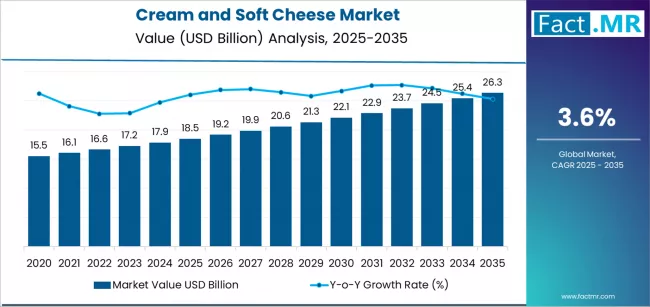
Cream and soft cheese products have become an integral part of contemporary diets, driven by their smooth texture, mild flavor profiles, and wide culinary versatility. From spreads and dips to gourmet recipes and bakery applications, these cheeses cater to evolving consumer preferences for convenience and indulgence. The cream and soft cheese market is witnessing consistent momentum as consumers seek premium dairy experiences alongside healthier and more natural food choices. Growing urban lifestyles, changing eating habits, and rising demand for ready-to-use dairy products continue to support market expansion globally.
Market Overview
The cream and soft cheese market includes a broad range of products such as cream cheese, ricotta, mascarpone, cottage cheese, and other fresh cheese varieties. These products are characterized by high moisture content and minimal aging, making them suitable for both sweet and savory applications. Manufacturers are increasingly focusing on product differentiation through texture enhancement, flavor innovation, and improved shelf-life technologies. The market also benefits from strong demand across retail and foodservice channels, supported by improved cold-chain logistics and wider product availability.
Regional Insights
North America represents a prominent market for cream and soft cheese, supported by strong consumption of spreads, dips, and processed foods. The region’s well-established dairy industry and preference for convenient meal solutions continue to drive demand. Europe remains a key contributor due to its long-standing cheese-making traditions and high acceptance of fresh and artisanal cheese varieties. Meanwhile, the Asia-Pacific region is emerging as an attractive market as Western food habits gain popularity and urban consumers increasingly experiment with global cuisines. Expanding retail infrastructure and rising awareness of dairy nutrition are further enhancing regional growth prospects.
Key Trends & Market Direction
Several notable trends are shaping the cream and soft cheese market. Clean-label and natural ingredient formulations are gaining traction as consumers become more conscious of food transparency. Demand for organic, preservative-free, and minimally processed cheese products is rising, particularly among health-focused demographics. Flavor innovation, including herb-infused, savory, and dessert-style variants, is helping brands attract new consumer segments. Additionally, single-serve packaging and resealable formats are improving convenience while reducing food waste.
Applications & End-Use Outlook
Cream and soft cheese products are widely used across household, foodservice, and food processing applications. In home kitchens, they are commonly used as spreads, cooking ingredients, and dessert bases. The foodservice industry relies on cream and soft cheese for sauces, fillings, and baked goods due to their smooth consistency and adaptability. In the food processing sector, these cheeses are incorporated into ready meals, snacks, and frozen products, enhancing taste and texture. Their multifunctional nature ensures steady demand across diverse end-use industries.
Supply Chain and Production Landscape
The production of cream and soft cheese relies heavily on consistent milk quality, efficient processing, and temperature-controlled storage. Manufacturers are investing in advanced processing equipment and quality assurance systems to maintain freshness and safety standards. Sustainability considerations, such as responsible sourcing of milk and environmentally friendly packaging, are increasingly influencing production strategies. Collaboration with dairy farmers and suppliers plays a vital role in ensuring supply stability and product consistency across markets.
Competitive Landscape
The cream and soft cheese market features a mix of multinational dairy companies and regional producers. Leading players focus on brand positioning, product innovation, and expanded distribution networks to strengthen their market presence. Private-label offerings are gaining popularity, especially in cost-sensitive markets, as retailers seek to offer quality products at competitive prices. Strategic initiatives such as partnerships with foodservice providers and investments in premium product lines are helping companies differentiate themselves in a competitive environment.
Future Outlook
The future of the cream and soft cheese market is closely tied to evolving consumer lifestyles, dietary preferences, and sustainability expectations. Growing interest in healthier formulations, plant-based alternatives, and ethically sourced dairy products is likely to influence product development. As culinary experimentation and demand for convenient dairy solutions continue to rise, cream and soft cheese products are expected to remain essential components of global food consumption. Access to comprehensive market intelligence, such as insights provided by Fact.MR, can help stakeholders anticipate trends, manage risks, and capitalize on emerging growth opportunities.
Browse Full Report – https://www.factmr.com/report/155/cream-and-soft-cheese-market