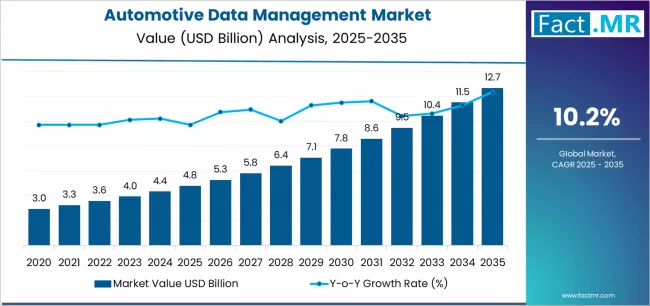
The automotive industry is undergoing a profound digital transformation driven by connectivity, electrification, automation, and data intelligence. Modern vehicles now function as data-generating platforms, producing vast volumes of information from sensors, onboard systems, infotainment units, and connected infrastructure. Managing this growing data ecosystem efficiently has become critical, giving rise to the automotive data management market. As automakers, fleet operators, and mobility providers increasingly rely on data-driven decision-making, robust data management solutions are emerging as a cornerstone of next-generation mobility.
Market Overview
Automotive data management refers to the collection, storage, processing, integration, and analysis of vehicle-related data across multiple platforms. This includes data from vehicle diagnostics, driver behavior, telematics systems, advanced driver-assistance systems (ADAS), infotainment, and over-the-air software updates. Effective data management enables automakers and service providers to optimize vehicle performance, improve safety, enhance customer experience, and support regulatory compliance.
With vehicles becoming software-defined and connected to cloud ecosystems, automotive data management platforms are evolving to handle real-time data flows, ensure cybersecurity, and support scalable analytics. These solutions bridge the gap between raw vehicle data and actionable insights, enabling stakeholders to unlock the full value of automotive digitalization.
Key Drivers Shaping Market Growth
Several factors are accelerating the adoption of automotive data management solutions. The rapid expansion of connected vehicles is a primary driver, as constant data exchange between vehicles, infrastructure, and cloud platforms requires advanced management frameworks. The growing integration of ADAS and autonomous driving technologies further increases data complexity, demanding high-performance data processing and validation systems.
Additionally, rising consumer expectations for personalized in-vehicle experiences and predictive maintenance services are pushing automakers to leverage data more strategically. Regulatory requirements related to vehicle safety, emissions, and data protection are also encouraging structured data governance practices across the automotive value chain.
Technology Trends and Innovation Landscape
Technological innovation plays a pivotal role in the evolution of automotive data management. Cloud-based platforms are becoming the preferred deployment model due to their scalability, flexibility, and ability to support real-time analytics. Edge computing is also gaining traction, allowing data to be processed closer to the vehicle for faster response times and reduced latency.
Artificial intelligence and machine learning technologies are increasingly embedded within data management systems to enable predictive analytics, anomaly detection, and automated decision-making. These capabilities are particularly valuable for applications such as predictive maintenance, driver risk assessment, and autonomous vehicle development. Moreover, standardized data architectures and open platforms are emerging to improve interoperability between automotive ecosystems.
Regional Insights
North America remains at the forefront of automotive data management adoption, supported by strong investments in connected vehicle technologies, autonomous driving research, and digital mobility services. The presence of major automotive OEMs, technology providers, and cloud service companies further strengthens the region’s leadership.
Europe is also a key market, driven by stringent data protection regulations, vehicle safety standards, and sustainability initiatives. Automotive data management solutions in the region are increasingly focused on compliance, transparency, and secure data sharing. Meanwhile, Asia-Pacific is emerging as a dynamic growth region, fueled by rising vehicle production, smart mobility initiatives, and rapid adoption of connected technologies in countries with expanding automotive ecosystems.
Applications and End-Use Outlook
Automotive data management solutions are used across a wide range of applications. Vehicle diagnostics and predictive maintenance are among the most prominent use cases, helping reduce downtime and optimize service schedules. Telematics and fleet management applications rely heavily on structured data management to improve route optimization, fuel efficiency, and driver safety.
In the realm of autonomous and semi-autonomous vehicles, data management platforms support simulation, testing, and validation processes by organizing massive datasets generated during vehicle operation. Customer experience enhancement is another key application, where data insights enable personalized infotainment, usage-based insurance, and tailored mobility services.
End users include automotive OEMs, tier-one suppliers, fleet operators, mobility service providers, and insurance companies, all of whom depend on reliable data management to support innovation and operational efficiency.
Challenges and Data Governance Considerations
Despite its growing importance, the automotive data management market faces several challenges. Data security and privacy concerns remain critical, particularly as vehicles become increasingly connected and exposed to cyber threats. Managing data ownership, consent, and cross-border data flows also presents legal and ethical complexities.
Furthermore, the lack of standardized data formats across automotive platforms can hinder interoperability and slow adoption. Addressing these challenges requires a strong focus on data governance frameworks, cybersecurity protocols, and industry-wide collaboration to establish common standards.
Competitive Landscape
The competitive landscape of the automotive data management market includes a mix of automotive technology providers, cloud service companies, and specialized data analytics firms. Market participants are focusing on strategic partnerships, platform integrations, and continuous innovation to enhance their offerings. Customizable, scalable, and secure solutions are becoming key differentiators in a market where data volumes and use cases continue to expand.
Conclusion
Automotive data management has become an essential enabler of the modern mobility ecosystem. As vehicles evolve into intelligent, connected systems, the ability to manage and interpret data effectively will determine competitive advantage across the automotive industry. From improving safety and efficiency to enabling new business models and services, automotive data management solutions are shaping the future of transportation. Access to in-depth market intelligence and industry analysis, such as those provided by Fact.MR, can help stakeholders navigate this rapidly evolving landscape and make informed strategic decisions.
Browse Full Report – https://www.factmr.com/report/automotive-data-management-market