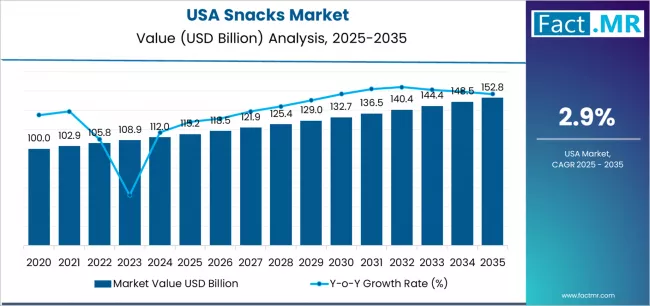
The U.S. snack industry is experiencing unprecedented growth, driven by evolving consumer lifestyles, health-conscious choices, and the rising popularity of convenient, on-the-go food options. Analysts project that the U.S. snack market, valued at $49.2 billion in 2024, is poised to reach $61.5 billion by 2028, representing a compound annual growth rate (CAGR) of 5.7%.
Shifting Consumer Preferences Drive Market Growth
The surge in demand for snacks is closely tied to changing consumer behavior. Nearly seven in ten Americans now snack at least once a day, with over 40% preferring snacks as meal replacements during busy workdays. Millennials and Gen Z consumers are leading this trend, with more than half citing convenience as their primary factor for choosing snack products.
Health and wellness trends are also reshaping the market. A growing number of consumers are seeking snacks that are low in sugar, high in protein, or fortified with functional ingredients such as probiotics and vitamins. Plant-based and clean-label snacks are gaining traction, with sales increasing significantly year-over-year.
Popular Snack Categories Witness Rapid Expansion
Savory snacks, including chips, pretzels, and popcorn, accounted for nearly $20 billion of the total snack market in 2024, growing steadily each year. Sweet snacks, such as chocolate and confectionery, contributed over $15 billion, expanding at a similar pace. Notably, healthy snacks—comprising protein bars, nuts, and dried fruits—are the fastest-growing segment, projected to continue rapid expansion through 2028.
Functional snacks are emerging as a high-potential category. A significant portion of adults prefer snacks that support mental focus, energy, or immunity, signaling opportunities for innovative product launches.
E-commerce and Retail Channels Fuel Accessibility
The growth of online grocery shopping has further accelerated snack consumption. E-commerce accounted for nearly one-fifth of total snack sales in 2024, up substantially from previous years, driven by platforms like Amazon, Walmart+, and Instacart. Consumers aged 25-44 are the most frequent online snack buyers, representing a large share of digital snack purchases.
Traditional retail channels remain crucial, with supermarkets and convenience stores together contributing over 70% of total snack sales. Retailers are increasingly investing in experiential marketing, personalized recommendations, and strategic in-store displays to capture consumer attention.
Market Drivers Highlight Lifestyle and Demographic Influences
Several macro-level factors are shaping the snack market trajectory:
-
Time-pressed Lifestyles: U.S. adults spend an average of 8.5 hours per day working or commuting, making quick snack options a preferred choice.
-
Health Awareness: Over half of Americans actively seek healthier alternatives to traditional snacks.
-
Diverse Flavor Preferences: Ethnic and global flavors are growing in popularity, with spicy, savory, and exotic taste profiles seeing higher repeat purchase rates than classic flavors.
-
Technological Adoption: Mobile apps, AI-powered recommendations, and subscription boxes are facilitating more personalized snacking experiences.
Browse Full Report : https://www.factmr.com/report/united-states-snacks-market
Industry Outlook and Investment Opportunities
The snack industry presents lucrative opportunities for investors, manufacturers, and retailers. Continued expansion is expected in plant-based, organic, and functional snack offerings, catering to health-conscious and convenience-seeking consumers. Integration of data-driven marketing strategies and predictive analytics is expected to enhance product positioning and profitability.
“The U.S. snack market is no longer just about indulgence—it is about convenience, nutrition, and experience,” said Maria Thompson, Senior Market Analyst. “Brands that combine taste with health benefits while leveraging digital channels are poised to capture the next wave of consumer demand.”