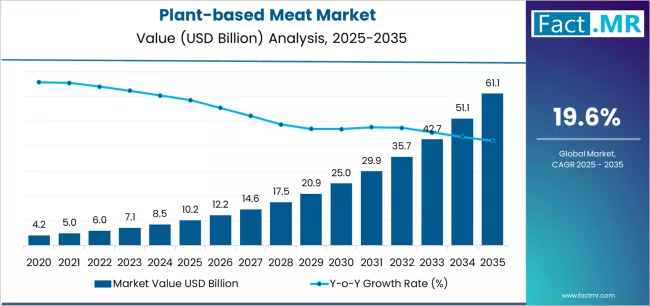
The plant-based meat market is witnessing rapid expansion as consumers increasingly seek sustainable, ethical, and health-conscious alternatives to traditional animal protein. Plant-based meat products, designed to mimic the taste, texture, and nutritional profile of conventional meat, are gaining traction across retail, foodservice, and home cooking applications. Rising awareness of environmental sustainability, animal welfare, and wellness-driven dietary choices has positioned plant-based meat as a key component of modern food consumption patterns.
Market Overview
Plant-based meat encompasses a wide array of products formulated from soy, pea, wheat, and other plant proteins. These products replicate meat textures, flavors, and culinary applications to provide an authentic eating experience. Innovations in protein texturization, flavor enhancement, and nutritional fortification have significantly improved consumer acceptance, making plant-based alternatives a viable substitute for burgers, sausages, nuggets, and whole-muscle analogs.
The market is driven by technology advancements in precision fermentation, protein isolation, and clean-label formulations. Manufacturers are increasingly integrating functional ingredients to deliver enhanced nutritional profiles, including essential amino acids, vitamins, and fiber. This convergence of taste, nutrition, and sustainability is positioning plant-based meat as a mainstream protein choice for diverse consumer demographics.
Regional Insights
North America and Europe are leading markets, supported by mature food ecosystems, regulatory acceptance for novel proteins, and strong consumer demand for sustainable and health-focused products. Asia-Pacific is emerging as a high-growth region, fueled by growing urban populations, expanding middle-class income, vegetarian dietary traditions, and environmental consciousness among younger consumers. Countries like India and China are demonstrating particularly strong adoption trends, supported by both retail availability and restaurant-based offerings. Emerging regions in Latin America, the Middle East, and Africa are gradually increasing consumption as awareness of plant-based alternatives and health-oriented diets grows.
Key Trends and Forecast
- Sustainability and Environmental Awareness: Consumers increasingly prioritize protein sources with lower carbon footprints, driving plant-based meat adoption.
- Innovation in Taste and Texture: Advancements in protein functionality, flavor systems, and texturization technologies improve sensory quality and mainstream acceptance.
- Expansion of Product Portfolios: Beyond burgers and patties, products now include sausages, nuggets, tenders, ground meat, and whole-muscle analogs for broader culinary applications.
- Retail and Foodservice Penetration: Plant-based meat is increasingly integrated into quick-service restaurants, ready-to-eat meals, and grocery retail spaces to meet convenience and accessibility demands.
- Focus on Clean-Label and Allergen-Free Options: Pea protein and other allergen-friendly sources are gaining traction due to consumer preference for transparent ingredient labeling.
Applications and End-Use Outlook
Plant-based meat products are utilized across a variety of settings:
- Quick-Service Restaurants (QSRs): Plant-based burgers and nuggets are being adopted to cater to flexitarian and vegetarian consumers.
- Retail Ready Meals: Consumers are increasingly incorporating plant-based proteins into frozen and packaged meals for home consumption.
- Culinary Innovation: Whole-muscle analogs and specialized textures allow chefs and food manufacturers to develop diverse menu offerings.
- Health and Wellness Applications: Products fortified with functional ingredients support nutritional goals, including protein supplementation, cholesterol management, and fiber intake.
These applications highlight the versatility of plant-based meat, supporting both traditional culinary uses and modern meal innovations.
Market Drivers
- Health-Conscious Diets: Growing awareness of cholesterol-free and nutrient-rich diets promotes plant-based protein consumption.
- Environmental Sustainability: Reduced greenhouse gas emissions, land use, and water consumption associated with plant-based meat appeal to eco-conscious consumers.
- Technological Advancements: Innovations in protein processing, flavor replication, and product diversification improve consumer acceptance and market expansion.
- Cultural and Lifestyle Shifts: Rising flexitarian populations and vegan-friendly lifestyles increase the demand for alternative protein sources.
- Foodservice and Retail Integration: Greater availability in restaurants, fast-food chains, and supermarkets improves accessibility and adoption.
Challenges
- Cost Considerations: Production of high-quality plant-based meat may be more expensive than traditional meat, affecting price competitiveness.
- Taste and Texture Expectations: While advances are ongoing, replicating complex meat flavors and textures remains a challenge for some product types.
- Supply Chain Limitations: Dependence on high-quality plant protein sources and processing infrastructure can impact scalability.
- Consumer Awareness and Education: Communicating nutritional benefits and taste equivalence is essential to drive mainstream adoption.
Future Outlook
The plant-based meat market is poised for sustained growth driven by innovation, dietary shifts, and sustainability priorities. New product development, including whole-muscle analogs and hybrid blends, will broaden market appeal, while precision fermentation technologies offer opportunities for enhanced flavor and nutritional profiles. Emerging markets are expected to accelerate adoption, supported by urbanization, retail expansion, and increased awareness of health and environmental benefits.
As plant-based meat becomes increasingly integrated into everyday diets, manufacturers focusing on authentic taste, nutritional fortification, allergen-free formulations, and convenience will gain a competitive edge. The convergence of technology, sustainability, and consumer-driven product development positions the plant-based meat market as a key segment of the global protein landscape.
Conclusion
The plant-based meat market represents a transformative shift in global protein consumption. By combining taste, nutrition, and sustainability, plant-based alternatives are catering to the evolving preferences of flexitarian, vegetarian, and health-conscious consumers. Market growth is supported by technological advancements, retail and foodservice integration, and increasing awareness of environmental and wellness benefits. Businesses that prioritize innovation, product diversity, and consumer education will be best positioned to capitalize on the expanding opportunities within this dynamic market segment.
Browse Full Report – https://www.factmr.com/report/plant-based-meat-market