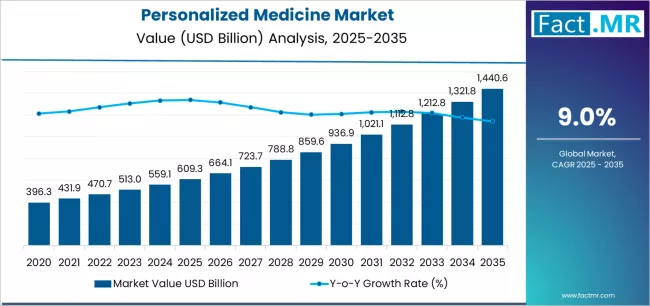
Personalized medicine is redefining the healthcare landscape by providing treatments tailored to individual patient profiles. This approach leverages genetic, environmental, and lifestyle information to optimize therapeutic strategies, improving clinical outcomes and reducing adverse effects. With advances in genomics, molecular diagnostics, and precision therapies, the personalized medicine market is emerging as a critical component of modern healthcare, spanning preventive care, targeted therapies, and wellness management.
Market Overview:
Personalized medicine encompasses a wide range of healthcare solutions, including personalized therapeutics, diagnostics, nutrition, and wellness programs. By integrating patient-specific data into clinical decision-making, healthcare providers can deliver more precise interventions, enhance treatment efficacy, and minimize unnecessary treatments. This paradigm shift is particularly impactful in areas such as oncology, rare diseases, and chronic condition management, where standard treatment protocols may not yield optimal results for all patients.
Product Segmentation:
The personalized medicine market is broadly segmented into personalized nutrition & wellness, diagnostics, therapeutics, medical care, and medical devices. Personalized nutrition & wellness dominates the market, driven by consumer interest in customized diet plans, supplements, and lifestyle interventions based on genetic or metabolic profiles. Diagnostics, including genetic testing and molecular profiling, enable healthcare professionals to assess disease risk, guide therapy selection, and monitor treatment outcomes. Personalized therapeutics focus on pharmacogenomic-guided treatments, targeted biologics, and individualized dosing strategies, ensuring that patients receive the most effective therapy for their unique genetic and clinical profile.
Regional Insights:
North America is a leading adopter of personalized medicine, supported by advanced healthcare infrastructure, research initiatives, and regulatory support. Europe follows closely, driven by strong emphasis on precision medicine, genomic research, and patient-centric care models. Asia-Pacific is emerging as a high-growth region, with increasing healthcare investments, expanding molecular diagnostic facilities, and rising awareness of personalized therapies. These regions collectively contribute to the growing global adoption of personalized medicine solutions, offering opportunities for healthcare providers, pharmaceutical companies, and technology developers.
Key Trends & Drivers:
The market is driven by several key trends. Advances in genetic sequencing technologies, artificial intelligence, and data analytics enable faster and more accurate patient stratification, enhancing treatment personalization. The integration of digital health platforms allows healthcare providers to monitor patients remotely, optimize therapies, and improve preventive care initiatives. Additionally, collaborations between pharmaceutical companies, diagnostic providers, and healthcare institutions are fostering innovation in companion diagnostics, biomarker-driven treatments, and integrated care models.
The rising prevalence of chronic diseases, cancer, and rare genetic disorders further fuels demand for personalized medicine solutions. Patients and clinicians are increasingly seeking evidence-based, individualized therapies to improve outcomes while reducing side effects. Government initiatives promoting precision medicine research and infrastructure development are also accelerating market adoption, particularly in academic medical centers and specialized treatment facilities.
Challenges & Market Barriers:
Despite its potential, the personalized medicine market faces challenges. High costs of genetic testing, targeted therapies, and specialized diagnostics may limit access in developing regions. Complex regulatory requirements and the need for specialized expertise in genomics, pharmacogenomics, and bioinformatics can also slow implementation. Data privacy concerns related to genetic information require robust security measures, while insurance coverage limitations may affect reimbursement and affordability for patients.
Applications & End-Use Outlook:
Hospitals remain the largest end users of personalized medicine solutions, leveraging these technologies to improve patient care and optimize clinical workflows. Diagnostic laboratories, research institutes, and academic medical centers also play a critical role, conducting genetic analyses, biomarker testing, and clinical trials. Personalized nutrition & wellness services are increasingly offered through retail and direct-to-consumer channels, expanding access to preventive care and lifestyle interventions.
In oncology, personalized medicine allows clinicians to match therapies to tumor genetics, enhancing treatment effectiveness and minimizing toxicity. In rare diseases, genomic insights guide therapy selection and early intervention. For chronic conditions, personalized care plans based on individual risk factors improve management and patient adherence, highlighting the versatility and applicability of these solutions across healthcare sectors.
Future Outlook:
The personalized medicine market is poised for significant growth as technological advancements, regulatory support, and patient demand continue to rise. Integration of predictive analytics, polygenic risk scoring, and AI-driven treatment optimization will expand the scope of personalized healthcare beyond traditional therapeutic applications. Strategic collaborations between pharmaceutical companies and diagnostic providers will further drive innovation, enabling the development of holistic solutions that combine therapeutics, diagnostics, and preventive care.
As awareness of personalized medicine increases among clinicians and patients, adoption is expected to become more mainstream, transforming clinical practices and healthcare delivery models. By enabling targeted, effective, and patient-centric treatments, personalized medicine is not only improving outcomes but also contributing to more efficient healthcare systems.
Conclusion:
Personalized medicine represents a paradigm shift in healthcare, moving from one-size-fits-all approaches to individualized treatments that enhance patient outcomes and reduce adverse effects. With advances in genomics, diagnostics, and therapeutics, the market is expanding rapidly across global regions. As hospitals, laboratories, and wellness providers continue integrating personalized medicine solutions, the industry is set to redefine patient care, prevention strategies, and the future of precision healthcare.
Browse Full Report – https://www.factmr.com/report/personalized-medicine-market