The Tiller Rental Market is gaining traction as homeowners, landscaping professionals, and agricultural service providers increasingly seek flexible, cost-effective access to soil preparation equipment. Rental solutions allow users to leverage high-performance tillers without committing to the high capital costs of owning machinery outright. With rising interest in residential gardening, commercial landscaping, and urban beautification projects, the tiller rental industry is poised to expand steadily over the coming years.
Market Overview
The tiller rental market enables customers to lease soil tilling and cultivation equipment—commonly known as tillers or cultivators—for short-term use in gardening, landscaping, and light agricultural applications. Tillers are essential for breaking up compacted soil, mixing organic matter, and preparing ground for planting or landscaping. Traditionally, these tools were purchased outright, but rental models have emerged in response to fluctuating demand and cost concerns.
Rental services offer flexibility and affordability, particularly for projects that occur seasonally or infrequently. Users can select from a range of tiller types, including lightweight front-tine models suitable for residential use and more robust rear-tine machines for commercial or large-area applications. By opting for rental equipment, individuals and firms can avoid storage and maintenance responsibilities while ensuring access to modern machinery when needed.
Key Market Drivers
Growing Demand for Landscaping & Gardening Solutions
One of the main drivers of the tiller rental market is the expanding demand for landscaping and gardening activities. With increasing interest in home improvement and urban green spaces, both residential and commercial users are turning to rental tillers for efficient soil preparation. Homeowners preparing gardens, lawns, or outdoor spaces benefit from accessing specialized equipment without the burden of ownership. Meanwhile, professional landscaping contractors rely on rental equipment to meet project-specific requirements efficiently.
Cost Efficiency & Operational Flexibility
Rental models provide significant cost savings compared with purchasing tillers outright. For users who need equipment only for short durations—such as seasonal gardening or one-off landscaping tasks—renting offers a financially practical alternative. Rental services also allow customers to choose the exact machine best suited to project requirements, whether light-duty, mid-range, or heavy-duty. This flexibility enhances operational efficiency and prevents investment in underutilized assets.
Urbanization and Commercial Landscaping Trends
Urban development and beautification initiatives are contributing to the adoption of tiller rentals. Municipal projects, parks, golf courses, and public green spaces often require periodic soil cultivation and landscape maintenance, generating steady demand for rental equipment. As governments and private developers invest in green infrastructure, rental solutions provide a scalable way to access high-quality machinery for diverse applications.
Technological Advances & Service Enhancements
Rental companies are increasingly integrating technology into their service offerings—from digital booking platforms to fleet management systems that improve reservation efficiency and equipment tracking. These innovations enhance the customer experience while streamlining operations. Advances in tiller design, including ergonomic controls, improved fuel efficiency, and easier handling, further support market growth by making equipment more accessible to a wider user base.
Market Segmentation
By Tiller Type
Front-tine tillers remain highly popular in the rental market due to their lightweight construction and ease of operation, making them ideal for residential and small-to-medium landscaping tasks. Rear-tine tillers also hold a strong position, particularly in commercial settings where deeper soil penetration and greater power are required for larger plots. Compact and specialized models address niche requirements where maneuverability and convenience are essential.
By Application
The residential segment accounts for a significant share of the market, reflecting the rise in do-it-yourself gardening, home landscaping, and property maintenance activities. Commercial applications—including landscaping services, facility management, and property development—represent another major source of demand, driven by the need for reliable and efficient soil preparation tools. Municipal contractors responsible for maintaining public spaces also contribute to sustained rental activity.
Regional Insights
The tiller rental market demonstrates strong activity across multiple regions:
- North America leads with well-established rental infrastructure, high consumer spending on home improvement, and consistent demand for landscaping services.
- Europe represents a mature market supported by urban beautification initiatives and regular property maintenance practices.
- Asia-Pacific is emerging as a high-growth region due to rapid urbanization, expanding residential developments, and increasing awareness of landscaping aesthetics in countries such as India and China.
- Latin America and the Middle East & Africa are experiencing gradual growth as urban centers expand and outdoor property enhancement gains popularity.
Challenges Facing the Market
Despite promising growth prospects, the tiller rental market faces several operational challenges:
Seasonal Demand Fluctuations: Rental demand typically peaks during spring and early summer when gardening and landscaping activities intensify. This seasonality can complicate inventory planning and fleet utilization for rental providers.
Maintenance & Operational Costs: Maintaining a diverse fleet of tillers requires ongoing investment in servicing, repairs, and logistics. Providers must ensure equipment reliability to maintain customer satisfaction and operational efficiency.
Inventory Management: Ensuring adequate equipment availability during high-demand periods can be difficult, particularly for popular models. Effective inventory systems and demand forecasting are essential to prevent shortages and maximize revenue opportunities.
Competitive Landscape
The tiller rental market features a mix of established equipment manufacturers and specialized rental providers. Leading machinery brands supply durable and efficient tiller models, while rental companies focus on offering flexible terms, dependable maintenance, and strong customer support. Businesses that combine high-quality equipment with convenient booking options and responsive service are likely to maintain a competitive edge in this evolving market.
Future Outlook
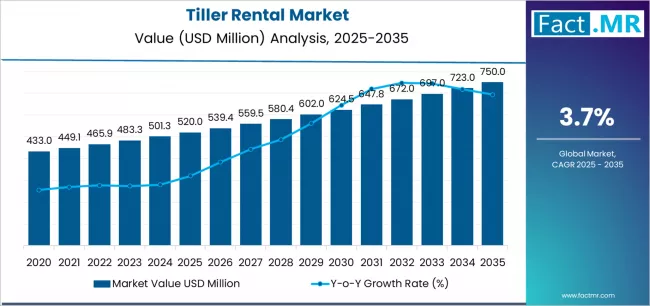
The Tiller Rental Market is expected to witness steady expansion as demand for landscaping, gardening, and soil preparation solutions continues to rise across residential, commercial, and municipal sectors. Growing emphasis on green spaces, outdoor aesthetics, and sustainable urban environments will further encourage the adoption of rental equipment.
Innovations in tiller technology and improvements in rental service delivery are likely to enhance accessibility and user convenience. As more consumers and businesses recognize the financial and operational benefits of renting rather than owning equipment, the rental model will remain a compelling choice.
Overall, the market is positioned for long-term growth, supported by evolving landscaping trends, technological advancements, and the increasing need for flexible equipment solutions. Organizations that embrace digital platforms, efficient fleet management, and customer-centric services will be well equipped to capitalize on emerging opportunities in the global tiller rental landscape.
Read More: https://www.factmr.com/report/tiller-rental-market