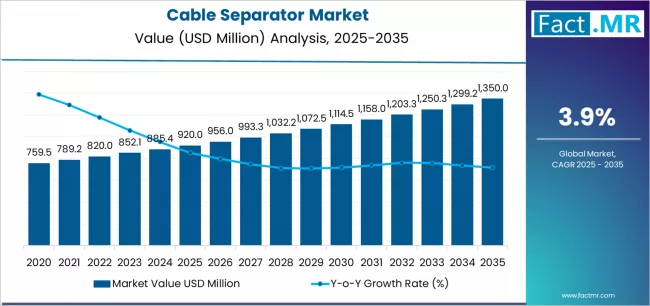
With the rapid expansion of electrical infrastructure and electronic devices, the volume of cable waste generated worldwide has increased significantly. From construction projects to telecommunications upgrades, discarded wires and cables present both an environmental challenge and an opportunity for material recovery. Cable separators have emerged as a vital solution, enabling industries to efficiently separate metal conductors from insulating materials and support sustainable recycling practices.
As organizations place greater emphasis on resource efficiency and environmental responsibility, the cable separator market is gaining momentum. These machines not only help reduce landfill waste but also allow businesses to reclaim valuable metals such as copper and aluminum, reinforcing the shift toward circular economy models.
Market Overview
Cable separators are specialized machines designed to process used or scrap cables by separating metallic components from plastic insulation. Through mechanical or automated processes, these systems ensure high material recovery rates while minimizing manual labor. The recovered metals can then be reintroduced into manufacturing cycles, reducing the need for virgin resources.
Modern cable separators are engineered for durability, precision, and operational efficiency. Many systems incorporate advanced features such as automated feeding, adjustable cutting mechanisms, and integrated sorting technologies. These capabilities allow operators to handle a wide variety of cable types, ranging from thin communication wires to heavy industrial power cables.
The increasing focus on recycling and responsible waste management is encouraging industries to adopt cable separation technologies. Businesses are recognizing that efficient material recovery not only supports sustainability goals but also creates economic value by transforming waste into reusable resources.
Market Dynamics
A key driver of the cable separator market is the growing demand for metal recycling. Copper and aluminum remain essential materials in electrical systems, renewable energy installations, and consumer electronics. Recovering these metals from discarded cables helps conserve natural resources while reducing energy consumption associated with primary metal production.
Another significant growth factor is the expansion of infrastructure and telecommunications networks. Frequent upgrades and replacements generate large quantities of obsolete wiring, creating a steady need for efficient processing equipment. Cable separators enable organizations to manage this waste effectively while maintaining compliance with environmental regulations.
Technological advancements are further shaping the market. Manufacturers are introducing machines with enhanced automation, improved separation accuracy, and user-friendly controls. These innovations help increase throughput, reduce operational costs, and enhance workplace safety.
Additionally, rising awareness of environmental sustainability is prompting governments and industries to promote recycling initiatives. Regulations aimed at minimizing electronic waste are encouraging the adoption of equipment that supports responsible disposal and material recovery.
Despite promising growth prospects, certain challenges persist. High equipment costs can pose barriers for smaller recycling facilities, and fluctuations in metal prices may influence investment decisions. However, the long-term financial and environmental benefits of cable separation continue to drive market interest.
Regional Insights
The cable separator market displays varied growth patterns across different regions, largely influenced by industrial development and recycling infrastructure.
Asia-Pacific is emerging as a major growth hub due to rapid urbanization, expanding power distribution networks, and increasing electronic consumption. Governments and private organizations in the region are strengthening recycling capabilities, which is boosting demand for cable separation equipment.
North America remains a significant market supported by established recycling systems and strong environmental awareness. Companies are investing in advanced machinery to improve recovery rates and enhance operational efficiency.
Europe continues to lead in sustainability initiatives, with strict regulations encouraging responsible waste management. The region’s commitment to resource conservation is fostering the adoption of high-performance cable separators across recycling facilities.
Meanwhile, Latin America and the Middle East & Africa are gradually expanding their industrial and infrastructure projects. As these regions enhance their waste management frameworks, the demand for cable separation technologies is expected to grow steadily.
Key Trends & Forecast
Increased Adoption of Automated Systems
Automation is becoming a defining trend in the cable separator market. Advanced machines reduce reliance on manual processes, improving productivity while ensuring consistent separation quality.
Integration with Comprehensive Recycling Lines
Cable separators are increasingly being deployed as part of fully integrated recycling systems that include shredders, granulators, and sorting equipment. This approach streamlines workflows and maximizes material recovery.
Focus on Energy Efficiency
Manufacturers are prioritizing equipment that delivers high performance with lower energy consumption. Energy-efficient machines help businesses reduce operational costs while supporting sustainability objectives.
Rising Importance of E-Waste Recycling
The surge in electronic waste is creating new opportunities for cable separators. Efficiently processing cables from outdated electronics is becoming essential for responsible recycling operations.
Applications & End-Use Outlook
Cable separators serve a wide range of industries involved in waste processing and material recovery. In the recycling sector, these machines are indispensable for extracting valuable metals from scrap cables, enabling companies to enhance profitability while reducing environmental impact.
The construction industry also benefits from cable separators when handling leftover wiring from building projects and renovations. Efficient processing helps maintain cleaner worksites and simplifies waste disposal.
Manufacturing facilities use cable separation equipment to manage production scrap, ensuring that reusable materials are reintegrated into supply chains. Similarly, utilities and telecommunications providers rely on these machines when upgrading infrastructure, allowing them to process retired cables responsibly.
Waste management companies, metal recovery specialists, and electronic recyclers are among the primary adopters, highlighting the broad applicability of cable separation technologies.
Competitive Landscape
The cable separator market features a mix of established machinery manufacturers and emerging players focused on delivering innovative recycling solutions. Companies are investing in research and development to enhance machine efficiency, durability, and automation capabilities.
Product differentiation often centers on throughput capacity, separation accuracy, and ease of operation. Many manufacturers are also offering customizable systems designed to meet specific processing requirements, helping customers achieve optimal performance.
Strategic partnerships, expanded distribution networks, and after-sales services are becoming increasingly important as companies strive to strengthen their competitive positions in a growing market.
Conclusion
Cable separators have become a cornerstone of modern recycling operations, supporting both environmental sustainability and economic efficiency. By enabling the recovery of valuable metals from discarded wiring, these machines help organizations reduce waste, conserve resources, and improve overall operational performance.
As global demand for metals continues to rise and recycling gains importance, the cable separator market is poised for steady expansion. Businesses that invest in advanced separation technologies will be better equipped to navigate evolving regulatory landscapes, capitalize on resource recovery opportunities, and contribute to a more sustainable industrial future.
Browse Full Report – https://www.factmr.com/report/cable-separator-market