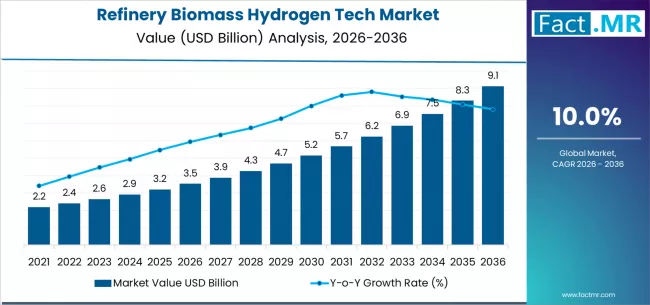
The refinery biomass hydrogen tech market is emerging as a critical solution for decarbonizing petroleum refining operations. By producing hydrogen from biomass feedstocks such as agricultural residues, forestry biomass, and energy crops, refineries can reduce their carbon intensity, support sustainable fuel production, and comply with increasingly stringent environmental regulations. This market is gaining momentum as global refineries seek lower-carbon alternatives to conventional hydrogen derived from fossil fuels.
Market Overview
Refinery biomass hydrogen technology focuses on converting organic biomass into high-purity hydrogen for refinery applications. Hydrogen is a vital component in processes such as hydrotreating and hydrocracking, where it removes sulfur and other contaminants to produce cleaner fuels. Transitioning to biomass-derived hydrogen allows refineries to maintain operational efficiency while significantly lowering Scope 1 emissions.
Gasification-based hydrogen production is the leading technology in this market. It provides a scalable thermochemical pathway to convert solid biomass into syngas, which is then purified into hydrogen. Other emerging technologies, including pyrolysis-assisted reforming, catalytic hydrothermal liquefaction, and biological hydrogen production, are expanding the viable biomass feedstock base and improving overall efficiency.
Technological Insights
Gasification dominates due to its technological maturity, scalability, and compatibility with existing refinery hydrogen infrastructure. Refiners can integrate biomass gasifiers into current hydrogen networks, often using retrofits or dedicated greenfield units. Advances in catalytic and pyrolysis technologies now allow the processing of wetter feedstocks and mixed biomass streams, enhancing feedstock flexibility.
Innovations such as modular, skid-mounted units and digital twin modeling are improving operational predictability and enabling distributed production, bringing hydrogen production closer to refinery hubs. These technologies also support hybrid systems that co-process biomass with waste plastics or conventional fossil feedstocks, optimizing cost and output while maintaining emissions reductions.
Regional Insights
China leads the market growth, driven by its extensive refining capacity, national clean hydrogen strategies, and abundant biomass resources. Government incentives and subsidies are accelerating deployment, while engineering firms focus on scaling gasification technology. The USA and South Korea are also significant markets, with strong government support and large, technologically advanced refining sectors investing in biomass hydrogen integration. Europe, including Germany and Japan, focuses on sustainable hydrogen adoption aligned with strict emission regulations and corporate net-zero commitments.
Market Drivers
The primary drivers of growth include regulatory mandates on carbon reduction, rising demand for low-carbon fuels, and corporate sustainability goals. Hydrogen derived from biomass supports renewable fuel production, including renewable diesel and sustainable aviation fuels, where hydrogen is a critical feedstock. Carbon pricing mechanisms, low-carbon fuel standards, and government subsidies make biomass hydrogen economically attractive, strengthening its adoption in existing refineries.
Additionally, refineries face increasing stakeholder pressure to future-proof assets and mitigate environmental impact. Biomass hydrogen addresses both operational and reputational risks, offering a clear path toward sustainable fuel production.
Market Restraints
High capital investment, complex technology integration, and feedstock logistics are key challenges. Large-scale biomass gasification or liquefaction units require sophisticated design and operational expertise to meet reliability standards. Securing long-term, cost-stable biomass feedstock contracts can be difficult due to seasonal variability and competing uses. Rigorous lifecycle carbon accounting and certification of biomass feedstocks are essential to ensure genuine emissions reductions, adding complexity to project implementation.
Emerging Trends
Key trends include hybrid biomass and waste co-processing, digital optimization of hydrogen production processes, and modular deployment strategies for smaller-scale or distributed refinery operations. Advances in gas cleaning technologies improve syngas quality and protect downstream catalysts, while R&D continues to expand feedstock flexibility and process efficiency. Stakeholder focus on low-carbon fuels and sustainable operations is pushing innovation toward higher-performance, scalable hydrogen solutions.
Applications & End-Use Outlook
Refinery fuel hydrogen is the largest end-use application, accounting for a significant share of demand. Biomass hydrogen displaces fossil-based hydrogen in critical processes, directly reducing refinery emissions. Other applications include renewable chemical feedstocks, power and heat generation, and bio-hydrogen for fuel cells, reflecting the versatility of biomass-derived hydrogen in industrial decarbonization.
Competitive Landscape
Key players driving the market include Air Liquide, Linde plc, Shell Catalysts & Technologies, Haldor Topsoe, and Johnson Matthey. These companies are focusing on technology development, strategic partnerships, and project deployment to strengthen their presence in the biomass hydrogen market. Innovation in modular systems, hybrid processing, and process optimization enhances their competitive edge and facilitates the global adoption of sustainable hydrogen solutions.
Conclusion
The refinery biomass hydrogen tech market is poised to transform the petroleum refining industry by enabling low-carbon hydrogen production from sustainable feedstocks. With the adoption of gasification and emerging biomass technologies, refineries can reduce emissions, support renewable fuel production, and comply with regulatory mandates. Ongoing technological innovation, policy support, and strategic investment are expected to drive the market forward, making biomass hydrogen a cornerstone of the energy transition in refining operations.
Browse Full Report – https://www.factmr.com/report/refinery-biomass-hydrogen-tech-market