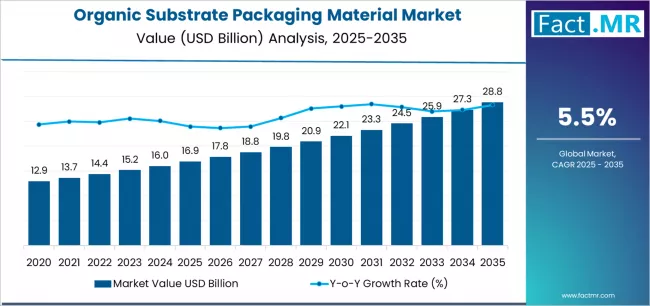
The packaging industry is undergoing a transformative shift as sustainability, environmental consciousness, and regulatory pressures drive demand for eco-friendly alternatives to conventional materials. Organic substrate packaging materials, derived from renewable and biodegradable sources such as agricultural residues, starches, cellulose, and other plant-based substrates, are emerging as a critical solution to the environmental challenges posed by plastic and synthetic packaging. These materials not only reduce the ecological footprint but also align with consumer preferences for sustainable, recyclable, and compostable packaging.
Market Overview
Organic substrate packaging materials encompass a wide range of products designed for diverse packaging applications, including food and beverage, personal care, pharmaceuticals, and industrial goods. These materials offer several advantages, including biodegradability, renewability, reduced carbon emissions, and the ability to preserve product quality. As organizations across industries increasingly commit to sustainability initiatives, the adoption of organic substrate packaging is gaining momentum.
The market growth is further supported by advancements in material science and packaging technology, which have enhanced the durability, water resistance, and versatility of organic packaging. Manufacturers are developing innovative blends and coatings that improve product protection while maintaining environmental benefits. This ensures that organic substrate packaging can meet the stringent requirements of various industries without compromising performance.
Regional Insights
North America and Europe are leading regions in the adoption of organic substrate packaging materials, driven by stringent environmental regulations, strong consumer awareness, and established sustainability frameworks. These regions are seeing widespread adoption across food and beverage, retail, and e-commerce sectors, with major companies incorporating organic packaging solutions into their supply chains.
Asia-Pacific is emerging as a significant market due to rapid industrialization, increasing disposable income, and growing consumer preference for eco-friendly products. Countries in the region are also witnessing government initiatives and policies that encourage sustainable packaging practices, further accelerating market adoption. Latin America and the Middle East are gaining traction as awareness of plastic pollution and sustainability grows among both consumers and manufacturers.
Key Trends & Forecast
Several trends are shaping the organic substrate packaging material market and influencing its future trajectory:
- Sustainability and Eco-Consciousness:The rising environmental awareness among consumers is driving demand for packaging solutions that are biodegradable, recyclable, and compostable. Companies are responding by integrating organic substrate packaging across product lines.
- Technological Innovations:Research in organic materials, coatings, and laminates has led to improved barrier properties, mechanical strength, and shelf-life preservation, making organic packaging a viable alternative to plastics in a variety of applications.
- Government Regulations and Policies:Regulatory frameworks aimed at reducing single-use plastics and promoting sustainable packaging are encouraging manufacturers to adopt organic substrate materials. Compliance with these regulations is becoming a key driver for market growth.
- Growth of E-Commerce and Retail Sectors:With the expansion of e-commerce, the need for sustainable and protective packaging has increased. Organic substrate packaging materials provide environmentally friendly solutions while ensuring product safety during transportation.
Applications & End-Use Outlook
Organic substrate packaging materials are widely used across industries such as food and beverage, pharmaceuticals, personal care, and consumer goods. In the food sector, these materials are applied in cartons, trays, wrappers, and containers, providing sustainable options that maintain product freshness and extend shelf life.
In the pharmaceutical and personal care sectors, organic packaging materials are increasingly adopted for their eco-friendly characteristics, appealing to environmentally conscious consumers. In retail and e-commerce, these materials offer a combination of sustainability and durability, ensuring that products reach customers safely while reducing the environmental impact.
Market Growth Drivers
Several factors are contributing to the expansion of the organic substrate packaging material market:
- Rising Environmental Awareness:Growing concern over plastic pollution, waste management, and climate change is driving both consumers and companies toward sustainable packaging alternatives.
- Regulatory Support:Governments across regions are implementing policies to encourage biodegradable and recyclable packaging, creating opportunities for manufacturers of organic substrate materials.
- Consumer Demand for Eco-Friendly Products:Consumers are increasingly choosing brands that demonstrate sustainability commitments, incentivizing companies to adopt organic packaging solutions.
- Advancements in Material Science:Improved functionality, durability, and cost-effectiveness of organic substrate packaging materials are facilitating adoption across multiple industries.
Challenges & Market Constraints
Despite the growth potential, the organic substrate packaging material market faces certain challenges. The cost of production for organic materials is often higher than conventional plastics, which may limit adoption in price-sensitive markets. Additionally, variability in material performance, such as moisture resistance and mechanical strength, can pose challenges for certain packaging applications.
Supply chain limitations, including the availability of raw materials and processing infrastructure, may also impact market expansion. Furthermore, lack of awareness in emerging regions and skepticism about the durability of organic packaging can slow adoption rates.
Outlook & Future Trends
The market for organic substrate packaging materials is poised for sustained growth, driven by evolving consumer preferences, stringent environmental regulations, and technological advancements. Future trends are likely to include increased adoption of hybrid materials that combine biodegradability with enhanced durability, as well as greater investment in recycling and composting infrastructure.
Emerging markets present significant growth opportunities as manufacturers focus on sustainable packaging solutions for expanding food, beverage, and e-commerce industries. Collaborative initiatives between government agencies, private companies, and research institutions are expected to further drive innovation and adoption of organic packaging solutions globally.
Conclusion
The organic substrate packaging material market represents a key segment in the global movement toward sustainability and environmental responsibility. With benefits including biodegradability, renewability, and reduced environmental impact, these materials are transforming the packaging industry and influencing consumer choices.
As technological advancements improve functionality and cost-effectiveness, and as regulatory frameworks encourage eco-friendly practices, organic substrate packaging materials are expected to become an integral part of sustainable supply chains. For manufacturers, retailers, and stakeholders, investing in organic packaging solutions provides a pathway to meet consumer demand, comply with environmental regulations, and contribute to a greener future.
Browse Full Report – https://www.factmr.com/report/organic-substrate-packaging-material-market