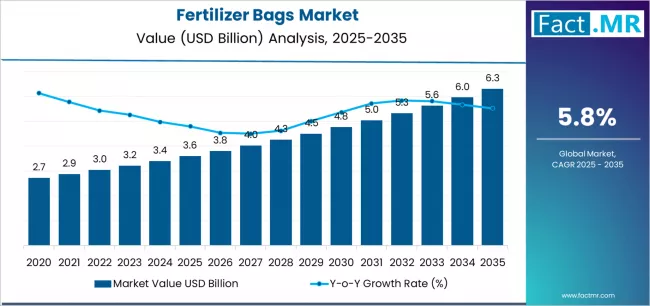
The fertilizer bags market is experiencing steady growth as global agriculture continues to evolve. Fertilizer packaging is a critical component in agricultural supply chains, ensuring that fertilizers reach end-users efficiently while maintaining product integrity. With rising agricultural production, modern farming practices, and the increasing distribution of both chemical and organic fertilizers, demand for high-quality, durable fertilizer bags is expanding across the world.
Market Overview:
Fertilizer bags serve as the primary packaging solution for fertilizers, protecting products from moisture, contamination, and physical damage. They are available in various materials, including polypropylene (PP), polyethylene (PE), jute, paper, and non-woven fabrics. Among these, polypropylene woven bags dominate due to their durability, strength, and cost-effectiveness. Polypropylene bags are widely used for bulk packaging in capacities ranging from 50 kg to over 100 kg, making them essential for transportation, storage, and retail distribution.
Modern fertilizer bags are designed not only to safeguard products but also to facilitate ease of handling, storage, and distribution. Features such as UV stabilization, moisture resistance, and reinforced weaving ensure long-lasting performance under diverse environmental conditions. Additionally, manufacturers are exploring biodegradable and recyclable materials to meet sustainability goals and regulatory requirements.
Regional Insights:
Asia-Pacific is a key growth region for the fertilizer bags market due to its large agricultural base and high fertilizer consumption. Countries like India, China, and Southeast Asian nations are driving demand for packaged fertilizers, particularly among smallholder farmers. North America and Europe also represent significant markets, supported by organized retail distribution, advanced packaging technologies, and adherence to stringent environmental regulations. Latin America and the Middle East & Africa are emerging markets, witnessing gradual adoption of modern fertilizer packaging solutions.
Key Market Trends:
- Material Innovation:Polypropylene remains the most widely used material, while alternatives such as biodegradable jute, paper, and non-woven fabrics are gaining attention. Innovations focus on improving tear resistance, UV protection, and moisture barrier properties.
- Sustainable Packaging:With environmental concerns rising globally, manufacturers are exploring recyclable and eco-friendly packaging solutions. This trend aligns with government regulations and sustainability initiatives in agriculture.
- Specialized Packaging Solutions:Fertilizer bags with customized sizes, closure types (sewn, drawstring, plastic tie), and barrier properties are being developed to meet the specific requirements of chemical fertilizers, organic fertilizers, and agrochemicals.
- Retail-Oriented Packaging:Increasing retail distribution of fertilizers encourages the use of smaller bag sizes, improved labeling, and user-friendly designs to enhance convenience for end-users.
- Technological Integration:Advanced weaving, printing, and sealing technologies are enhancing packaging quality and durability. These improvements also help brands differentiate their products in competitive markets.
Applications & End-Use Outlook:
The fertilizer bags market caters to multiple segments within the agricultural sector:
- Chemical Fertilizers:Packaging solutions ensure stability and prevent contamination, particularly for hygroscopic and high-moisture fertilizers.
- Organic Fertilizers:Bags designed for organic inputs maintain product integrity while supporting sustainable agriculture practices.
- Seed Treatment and Agrochemicals:Specialized bags protect sensitive formulations and facilitate efficient distribution.
As smallholder farming and retail distribution expand, the demand for conveniently packaged fertilizers continues to rise. High-quality packaging also reduces product wastage and ensures accurate dosing, contributing to overall agricultural efficiency.
Challenges:
Despite promising growth, the fertilizer bags market faces challenges. Fluctuating raw material prices, particularly for polymers, can affect manufacturing costs. Compliance with environmental regulations and limited recycling infrastructure in some regions further complicates material selection. Additionally, smaller packaging producers in developing regions may face difficulties in adopting advanced manufacturing technologies due to infrastructure constraints.
Future Outlook:
The fertilizer bags market is poised for sustained growth in the coming decade. Increasing global fertilizer consumption, technological advancements in packaging, and the shift toward sustainable agricultural practices will drive demand. Companies are expected to invest in innovative bag designs, eco-friendly materials, and efficient production methods to cater to both traditional bulk distribution and modern retail markets. Strategic collaborations between fertilizer manufacturers and packaging suppliers will further expand market opportunities, ensuring the availability of high-performance packaging solutions globally.
Conclusion:
Fertilizer bags play a crucial role in modern agriculture, combining product protection with convenience and sustainability. The market continues to evolve, driven by material innovation, regulatory compliance, and expanding agricultural needs. For manufacturers, distributors, and farmers alike, investing in high-quality fertilizer packaging ensures better product performance, reduced waste, and improved operational efficiency. As the agricultural industry grows, fertilizer bags will remain a cornerstone of supply chain excellence, supporting both commercial and small-scale farming across the globe.
Browse Full Report – https://www.factmr.com/report/fertilizer-bags-market