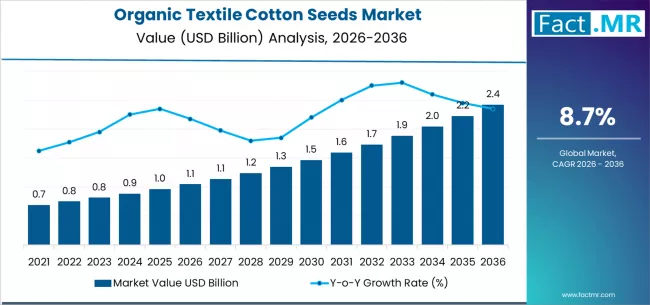
The organic textile cotton seeds market is undergoing remarkable growth, fueled by rising consumer demand for sustainable and ethically produced textiles. Organic cotton, cultivated without synthetic chemicals or genetically modified seeds, relies heavily on high-quality organic seed varieties to ensure yield, fiber quality, and environmental sustainability. As the fashion and textile industry shifts toward greener supply chains, organic cotton seeds are becoming a critical component in producing fully traceable and eco-friendly fabrics.
Market Overview
Organic textile cotton seeds are specifically developed to thrive in organic farming systems. These seeds prioritize traits such as vigorous early growth, natural pest resistance, and efficient nutrient utilization under low-input conditions. Open-pollinated varieties dominate the market, offering genetic diversity, the ability for farmers to save seeds, and adaptability to different agro-climatic zones. Hybrid organic seeds are also gaining traction, delivering enhanced fiber strength, yield stability, and uniformity without the use of genetic modification.
The seeds play a foundational role in textile cotton production, ensuring the quality and certification integrity of the raw fiber. Other applications include organic apparel manufacturing and home furnishing fabrics, where traceability and adherence to organic standards are crucial for brand assurance.
Technological and Agricultural Insights
The development of organic-specific cultivars is a major focus area, with breeding programs targeting improved resistance to biotic and abiotic stresses, such as pests, diseases, and drought conditions. Participatory plant breeding involving farmers is increasingly used to select varieties best suited to local conditions, enhancing adaptability and adoption rates.
Seed traceability is another key technological advancement. Blockchain and DNA fingerprinting systems are deployed to ensure authenticity, prevent contamination from genetically modified cotton, and maintain certification compliance. This integration of agronomy and technology transforms seeds into a value-added asset at the very beginning of the textile supply chain.
Regional Insights
India leads global organic cotton production, supported by a large base of smallholder farmers and strong partnerships with NGOs and brands that provide access to certified seeds. The USA has emerged as a significant market due to large-scale mechanized organic farms and brand-driven demand for high-quality organic fiber. China focuses on supply chain control and high fiber standards to support its textile manufacturing industry. Pakistan and Brazil also play pivotal roles, driven by export-oriented textile production and the need for drought-tolerant, high-performing organic seeds.
Market Drivers
The market is primarily driven by commitments from global apparel and home textile brands to source 100% sustainable cotton. This corporate demand creates guaranteed markets and premium pricing for farmers investing in certified organic seeds. Government initiatives and NGO support for regenerative agriculture provide technical assistance and financial incentives for transitioning to organic systems. Rising consumer awareness of environmental impact and preference for fully traceable textiles further reinforces market growth.
Multifunctional breeding objectives, including pest resistance, nutrient efficiency, and fiber quality, are being prioritized to ensure economic viability and reduce dependence on chemical inputs.
Market Restraints
The market faces challenges, including a yield gap between organic and conventional cotton, particularly during the transition phase. Limited availability of high-performing, regionally optimized organic seeds can constrain productivity. Stringent and costly organic certification processes, along with contamination risks from genetically modified cotton pollen, pose additional barriers to adoption.
Emerging Trends
Key trends shaping the market include the revival of heirloom and regionally adapted open-pollinated varieties to enhance genetic diversity and support farmer-saved seed systems. Integrated agronomic support, including guidance on organic pest and soil management, is increasingly bundled with seed offerings. Participatory plant breeding, advanced breeding for fiber quality, and seed traceability using blockchain technology are setting new standards for seed accountability and performance.
Competitive Landscape
Major players in the market include Bayer CropScience, UPL Limited, Advanta Seeds (part of UPL), and Nuseed. These companies are investing in organic-specific breeding programs, regional seed production, and value-added agronomic services. Strategic collaborations with brands, NGOs, and research institutions strengthen their market presence and foster innovation in seed quality and traceability.
Conclusion
The organic textile cotton seeds market is a vital driver of sustainable fashion and ethical textile production. By providing high-quality, traceable, and regionally adapted seed varieties, the market ensures that organic cotton cultivation is both productive and environmentally responsible. Ongoing innovations in breeding, traceability, and farmer support are set to expand adoption, making organic cotton seeds a foundational component in creating sustainable supply chains and promoting environmentally friendly textiles worldwide.
Browse Full Report – https://www.factmr.com/report/organic-textile-cotton-seeds-market